How location affects property value in Australia
Location affects property value because it changes access, amenity, risk, scarcity and the number of buyers willing to compete for a home. Two similar properties can have different values when one is closer to jobs, transport and schools, or when one carries greater flood, bushfire, noise or planning risk. The relevant location is more precise than a suburb name. Street position, outlook and even the side of the road can matter.
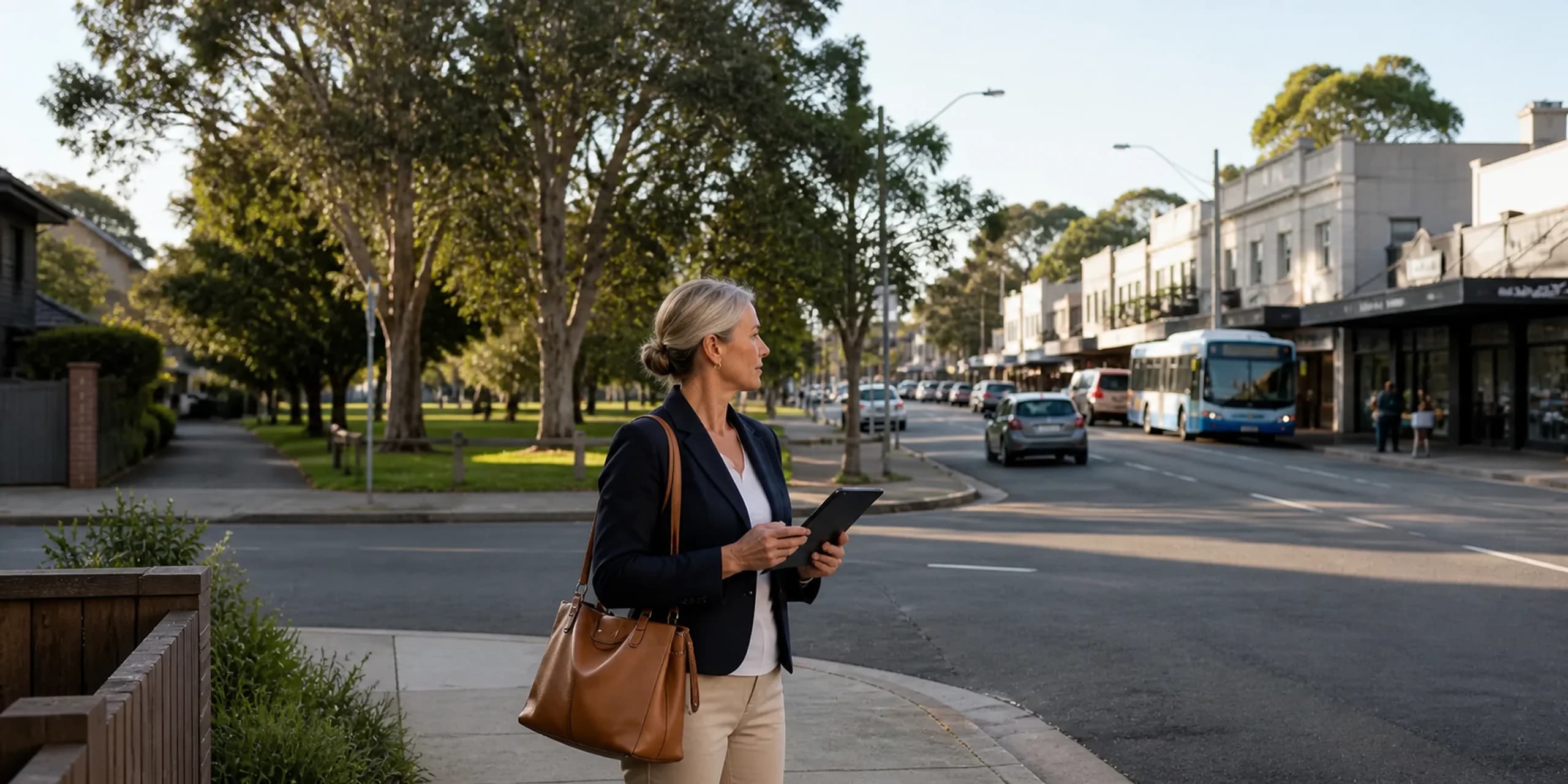
Location affects property value because it changes access, amenity, risk, scarcity and the number of buyers willing to compete for a home. Two similar properties can have different values when one is closer to jobs, transport and schools, or when one carries greater flood, bushfire, noise or planning risk. The relevant location is more precise than a suburb name. Street position, outlook and even the side of the road can matter.
Why Location Has Such a Strong Effect on Value
Land is fixed in place. A dwelling can be renovated or rebuilt, but its relationship to employment, services, neighbours and environmental risks cannot be moved. Buyers therefore pay different amounts for access to scarce location benefits.
Location affects both demand and the pool of comparable sales. A valuer normally compares the property with recent transactions that share similar locational characteristics, then adjusts for meaningful differences.
The Location Factors Valuers Consider
Access to employment and transport
Travel time to major employment areas can influence buyer demand. Rail, reliable bus routes and road access may improve convenience, but proximity is not always positive. A home beside a busy transport corridor may experience noise, vibration, privacy or traffic impacts.
The useful question is not simply whether a station exists. It is how the property’s access compares with competing homes and whether buyers have paid more for that advantage.
Schools and education
Access to schools can support family demand, particularly where enrolment zones are restricted. A school catchment should be verified with the relevant education authority because boundaries and enrolment rules can change. A popular school may support demand, but it does not add the same amount to every property.
Shops, health care and recreation
Walkable retail, parks, beaches, medical services and community facilities can improve liveability. The value effect depends on the buyer market. Some purchasers prioritise nightlife and convenience, while others prefer quiet streets and larger lots.
Street and immediate surroundings
Properties within the same suburb can differ because of:
- traffic and road noise
- elevation, views and natural light
- street appeal and neighbouring development
- proximity to industrial uses or high-voltage infrastructure
- cul-de-sac access or through traffic
- privacy, orientation and overshadowing
A median suburb price cannot capture these property-level differences.
Flood, bushfire and other hazards
Environmental risk can affect insurance, building requirements, lending and buyer demand. Planning certificates and council mapping may identify relevant controls. In NSW, a planning certificate can include information about zoning, flooding and bushfire-prone land. Other states and territories provide equivalent property and planning records.
Hazard mapping should be interpreted carefully. The existence of an overlay does not establish a fixed discount. The nature of the risk, property level, mitigation, insurance availability and comparable sales all matter.
Zoning and future development
Planning controls can affect what can be built and how the surrounding area may change. Higher-density zoning may create redevelopment potential, but it can also introduce future construction, traffic or overshadowing. A proposed project should be distinguished from one that is approved, funded and under construction.
Supply and scarcity
A location may command a premium because few comparable properties become available. Scarcity can arise from limited land, heritage controls, school access, waterfront position or a tightly held streetscape. New supply can change that balance, especially in apartment precincts.
Location Does Not Work in Isolation
The property itself still matters. A superior location may not fully offset serious defects, a poor layout, unapproved works or a restrictive title. Conversely, a well-designed home can outperform nearby properties while remaining subject to the same broader market.
Interest rates and credit conditions also affect what buyers can pay. The Reserve Bank of Australia reported different housing price movements across Australian cities and regions in 2026. Even under the same cash rate, local supply and demand produced different outcomes.
How Comparable Sales Reflect Location
Comparable sales are strongest when they share the features buyers consider important. A valuer may examine:
- distance and access to the subject property
- sale date and market conditions at that time
- land area, building size and condition
- school catchment or transport access
- views, elevation and street quality
- zoning, title and environmental constraints
The nearest sale is not always the best comparable. A slightly more distant property with similar outlook, land and buyer appeal may provide better evidence than a next-door sale of a different property type.
Location Factors for Apartments
For an apartment, both the neighbourhood and the position within the building affect value. Relevant features include:
- level and outlook
- orientation and natural light
- lift access
- parking and storage
- street or podium position
- noise exposure
- building condition and strata obligations
- competing supply in the development and nearby projects
Two apartments with the same number of bedrooms and floor area can still sell for different amounts because one has a better view, quieter position or more functional layout.
Location Factors for Investment Property
Investors often consider rental demand, vacancy risk, employment access and future supply. Gross rental yield can appear attractive in a lower-priced location, but expenses, tenant demand and resale liquidity also matter. A location with many similar rental properties may face competition even while its population grows.
Historical capital growth is not a guarantee. Review the property’s price relative to local evidence rather than assuming a postcode will repeat past performance.
A Practical Location Checklist
Before buying, selling or reviewing a property, check:
- 1.Recent sales in the same market segment.
- 2.Transport access and actual travel times.
- 3.School zones using official sources.
- 4.Planning controls and nearby applications.
- 5.Flood, bushfire and other environmental information.
- 6.Noise and traffic at different times of day.
- 7.Current and proposed competing supply.
- 8.Insurance availability and indicative cost.
- 9.Street position, orientation and outlook.
- 10.Whether the location suits the likely buyer or tenant market.
These checks help explain why a property sits above or below a broad suburb benchmark.
When to Get an Independent Valuation
An independent valuation can be useful when location differences make online estimates unreliable, when a property is unusual or when a decision requires defensible market evidence. Valato offers different property valuation options depending on the purpose and complexity of the property.
Frequently asked questions
What location factor adds the most value?
There is no universal factor. Access, scarcity, schools, views and risk affect markets differently. Recent comparable sales show what local buyers have actually paid.
Can two homes in the same street have different values?
Yes. Land, condition, orientation, views, noise, title and improvements can create material differences even within one street.
Does being close to a train station always add value?
No. Convenient access can be attractive, but noise, traffic, privacy and development impacts may offset the benefit for some properties.
How do flood zones affect property value?
The effect depends on the type and severity of risk, insurance, building controls and market evidence. An overlay does not produce one standard discount.
General information only: This article is general in nature and does not take into account your individual circumstances. It should not be relied on as financial, investment or legal advice. Confirm property-specific planning and hazard information with the relevant authority and seek qualified advice before making a decision.
Need evidence of your property’s current market value?
Compare Valato’s property valuation options and choose the level of evidence that suits your purpose.
Compare valuationsRelated articles.

Commercial fit-outs and property value in Australia
What a commercial fit-out includes, who may own it, and how lease terms, make-good obligations and market demand affect property value.
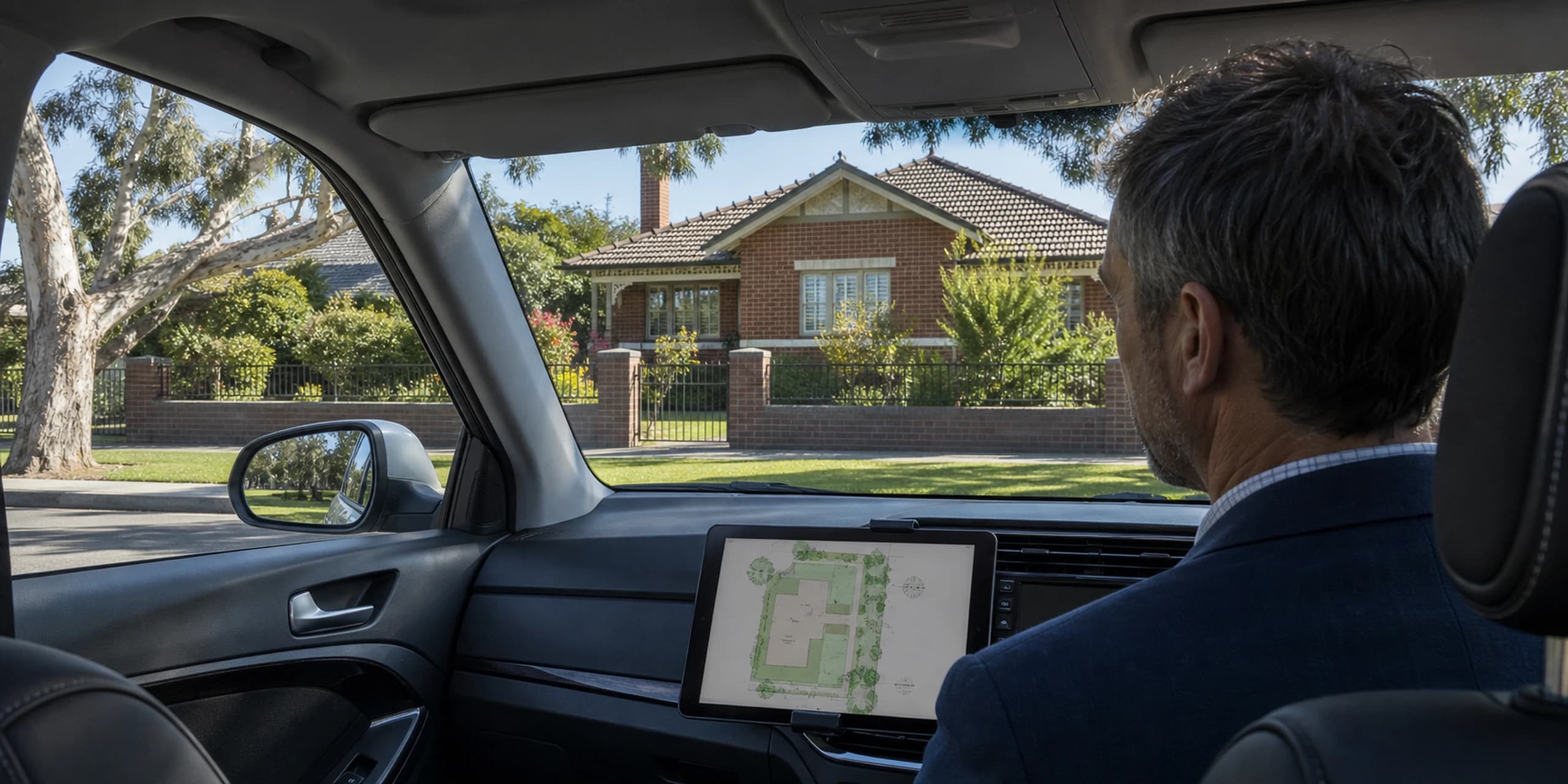
Kerbside valuations: how drive-by valuations work
How an external-only inspection works, what it can and cannot reveal, and how kerbside valuations compare with desktop and full valuations.

How AI can help with a new apartment valuation
How AI uses apartment data and comparable sales, where confidence can be weak, and when a valuer or inspection is still needed.
Need evidence of your property’s current market value?
Compare Valato’s property valuation options and choose the level of evidence that suits your purpose.
Need evidence of your property’s current market value?
Compare Valato’s property valuation options and choose the level of evidence that suits your purpose.