How accurate are property valuations?
A property valuation is accurate when its conclusion is reasonable for the stated property, purpose and date, based on reliable information and comparable market evidence. It is not an exact prediction of the next sale price. Accuracy depends on data quality, property complexity, market activity, inspection scope and professional judgement.

A property valuation is accurate when its conclusion is reasonable for the stated property, purpose and date, based on reliable information and comparable market evidence. It is not an exact prediction of the next sale price. Accuracy depends on data quality, property complexity, market activity, inspection scope and professional judgement.
What Accuracy Means in Property Valuation
A valuation is an opinion of market value, not a measurement with one permanently correct answer. A well-supported valuation should:
- identify the property and interest correctly
- use an appropriate valuation date
- apply a suitable method
- select relevant evidence
- explain material assumptions and limitations
- reach a conclusion consistent with the evidence
The eventual sale price can differ without proving that the valuation was unreasonable at the time.
Why Valuation and Sale Price Can Differ
A sale is one transaction involving particular parties. Its price can be affected by:
- competition at auction
- negotiation skill and urgency
- marketing exposure
- unusual sale conditions
- finance or settlement terms
- changes after the valuation date
- buyer preferences
- property damage or improvements
Market value considers a hypothetical market transaction under the definition and assumptions used in the report. The actual transaction may not match every assumption.
Factors That Improve Accuracy
Strong comparable sales
Recent settled sales of similar properties provide direct market evidence. The best comparable is not always the closest or highest sale. Similar land, dwelling, condition, location and sale timing matter.
Correct property information
Land area, floor area, room count, parking, title, improvements and condition should be accurate. Missing renovations or incorrect records can affect the result.
Appropriate valuation date
Evidence should be interpreted relative to the required date. A rapidly changing market makes timing especially important.
Suitable inspection scope
A desktop assessment may be sufficient for a conventional property with strong data. An inspection can improve the evidence where condition, quality, view, layout or defects materially affect value.
Clear purpose
The purpose shapes the interest, assumptions, report scope and recipient requirements. A bank valuation, tax valuation and online estimate are not interchangeable.
What Makes a Valuation More Difficult?
Accuracy is harder to support when:
- the property is unique or rarely sold
- comparable sales are old or distant
- the market is moving quickly
- works are incomplete
- the property has unusual title or planning constraints
- condition is unknown
- the requested date is far in the past
- records conflict
- the property is rural, specialised or mixed-use
In these cases, the report should disclose uncertainty and limitations rather than imply false precision.
Automated Estimates and AVMs
An automated valuation model can estimate value quickly using large datasets. It may perform well for common property types in active markets. It may struggle with features not captured in the data.
Review:
- the estimate range
- confidence score
- property facts
- date of underlying data
- selected comparable sales
- whether recent improvements are recorded
The APRA residential mortgage lending guide recognises AVMs, desktop assessments and physical valuations as approaches that may be used depending on risk and circumstances. This does not make every method suitable for every purpose.
Desktop and In-Person Valuations
A desktop valuation combines professional judgement with documents, imagery and market evidence without a physical inspection. It can be efficient and reliable where the property is conventional and information is adequate.
An in-person inspection is more useful where:
- condition materially affects value
- improvements are not well documented
- the property is unusual
- views, access or layout need direct assessment
- the client or recipient requires inspection
The Australian Property Institute’s desktop guidance reinforces the importance of scope and available information.
Why Two Valuers May Disagree
Valuers can choose different comparables, market adjustments or weightings. A modest difference may reflect reasonable judgement.
To compare reports, align:
- 1.valuation date
- 2.purpose and interest
- 3.property facts
- 4.inspection scope
- 5.comparable sales
- 6.assumptions
- 7.method
A large difference may reveal an error, missing evidence or genuinely different instructions. Ask for an explanation rather than assuming the higher result is better.
How to Check a Valuation
Read beyond the final figure. Check:
- Is the address and property description correct?
- Does the report state the right valuation date?
- Are material improvements included?
- Are comparable sales similar and recent?
- Are adjustments understandable?
- Are limitations clear?
- Is the report prepared for your purpose?
- Will the intended recipient accept it?
If something is wrong, provide documents and specific evidence. A factual correction is different from asking a valuer to reach a preferred result.
How Long Does a Valuation Remain Accurate?
There is no universal validity period. Relevance depends on how quickly the market and property change and on the recipient’s policy.
A new valuation may be appropriate after:
- material market movement
- renovation or damage
- zoning or title change
- a different valuation date
- a change in purpose
- the recipient requests a current report
Choosing the Right Level of Evidence
A free estimate may be proportionate for curiosity. An AI Evidence Report can support research with transparent sales evidence. A Signed Valuer Report may be needed for a supported formal purpose. Complex property may justify an in-person valuation.
Accuracy is not only about the method. It also depends on matching the report to the decision.
Frequently asked questions
Is a valuation accurate to a specific percentage?
There is no universal percentage that applies to every property and purpose. Data quality, market activity and property complexity change the uncertainty.
Is a bank valuation more accurate than a market valuation?
Not inherently. It has a lending purpose and may use a lender-specific process. Compare instructions and evidence before comparing figures.
Can I improve valuation accuracy?
Provide correct property details, plans, approvals, leases and evidence of improvements. Allow access where an inspection is needed.
Are online valuations reliable?
They can be useful for typical properties with strong data. They are less reliable where condition, uniqueness or missing information matters.
What should I do if the valuation seems wrong?
Check facts and evidence, then ask the provider to explain or review specific issues. Seek another appropriate report if the decision warrants it.
General information only: This article is general in nature and does not take into account your individual circumstances. It should not be relied on as tax, financial, credit, investment or legal advice. Confirm the report required for your purpose and seek qualified advice.
Need evidence of your property’s current market value?
Compare Valato’s property valuation options and choose the level of evidence that suits your purpose.
Compare valuationsRelated articles.

Commercial fit-outs and property value in Australia
What a commercial fit-out includes, who may own it, and how lease terms, make-good obligations and market demand affect property value.
Kerbside valuations: how drive-by valuations work
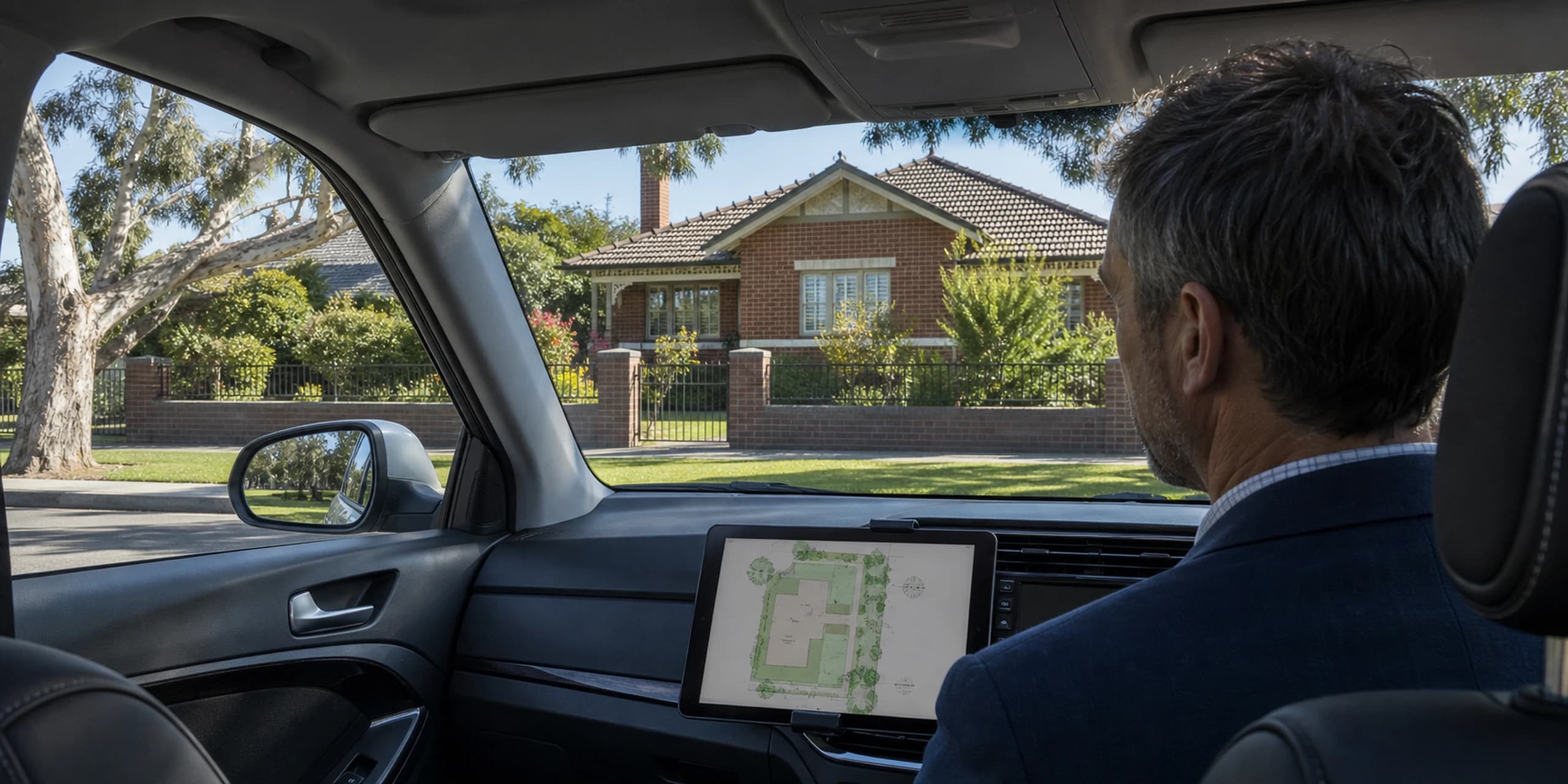
How an external-only inspection works, what it can and cannot reveal, and how kerbside valuations compare with desktop and full valuations.

How location affects property value in Australia
The location factors that shape property value, from access and schools to street position, supply, planning and environmental risk.
Need evidence of your property’s current market value?
Compare Valato’s property valuation options and choose the level of evidence that suits your purpose.
Need evidence of your property’s current market value?
Compare Valato’s property valuation options and choose the level of evidence that suits your purpose.