Property valuation myths Australian owners should know
Property valuation myths often begin when different figures are treated as though they measure the same thing. An online estimate, agent appraisal, council value, bank valuation and independent market valuation each have a different purpose. A credible valuation is an evidence-based opinion at a stated date, not a guaranteed sale price or a reward for money spent on the property.
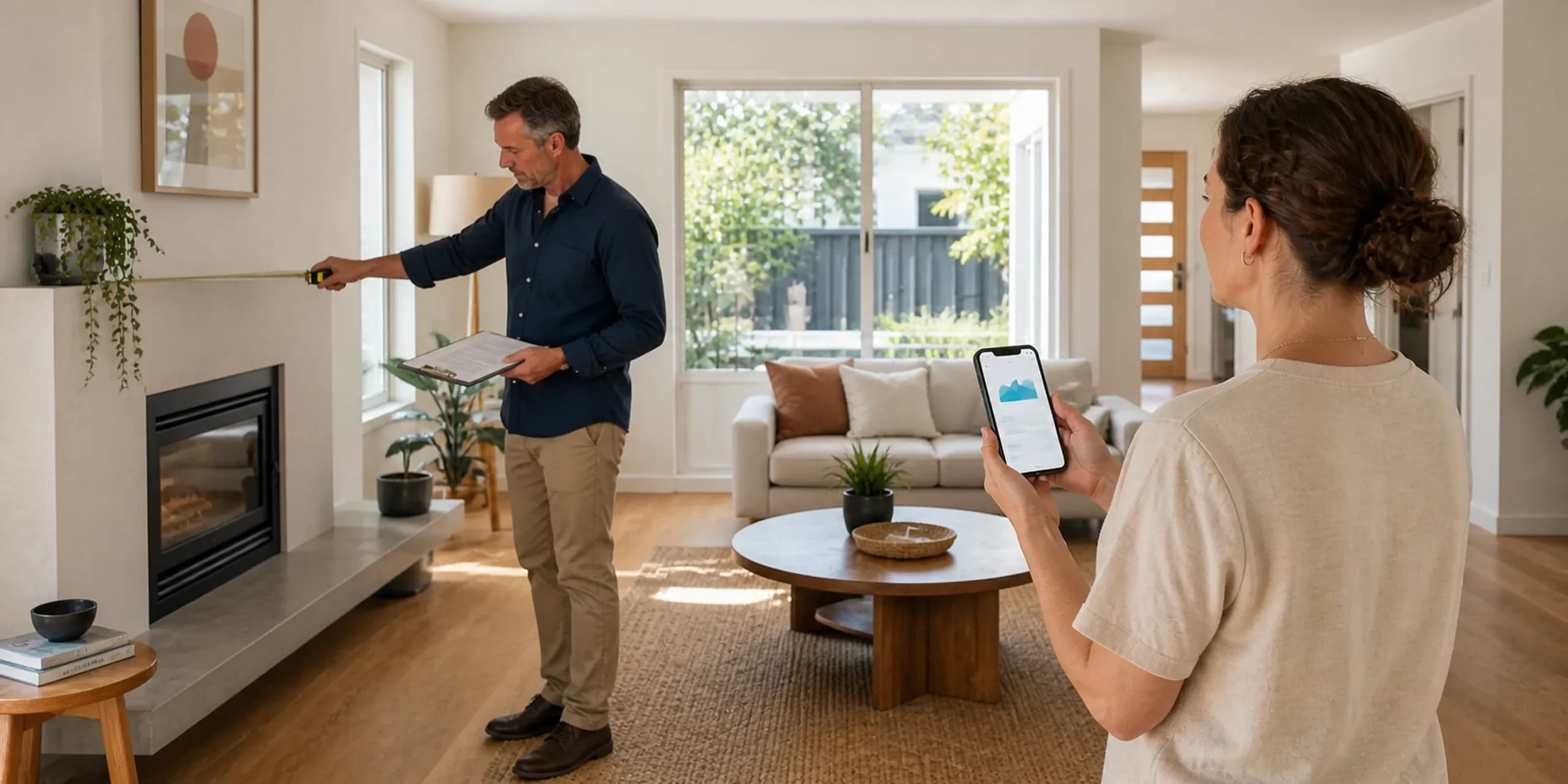
Property valuation myths often begin when different figures are treated as though they measure the same thing. An online estimate, agent appraisal, council value, bank valuation and independent market valuation each have a different purpose. A credible valuation is an evidence-based opinion at a stated date, not a guaranteed sale price or a reward for money spent on the property.
Myth 1: A Valuation Predicts the Exact Sale Price
A valuation estimates market value using the evidence available at a particular date. The eventual sale price can differ because:
- market conditions change
- buyers compete or withdraw
- marketing and negotiation affect the transaction
- the seller has time or other constraints
- the property condition changes
- new information emerges
A difference does not automatically make the valuation wrong. The useful question is whether the opinion was reasonable and supportable at its valuation date.
Myth 2: An Agent Appraisal Is the Same as a Valuation
An agent appraisal usually estimates a likely selling range and helps plan a sales campaign. A formal valuation is prepared by a qualified valuer for a stated purpose and includes professional judgement and evidence.
The Valuers Registration Board of Queensland explains that an appraisal and a valuation are different services. Terminology and valuer regulation vary across Australia, but the purpose and report requirements should always be clear.
Myth 3: A Bank Valuation Is the Property’s One True Value
A bank valuation supports a lender’s mortgage decision. The lender controls the instruction and acceptable method. It may use an automated model, desktop assessment or physical inspection depending on the property and risk.
The Australian Prudential Regulation Authority provides residential mortgage lending guidance that recognises different valuation approaches. A bank valuation can differ from an independent report because the instructions, evidence date or risk settings differ.
Myth 4: Council Value Should Match Market Value
Council and state land values are prepared under statutory rules for rates or tax. They may assess land only or use a mass-valuation date that differs from today.
Market value for a property transaction or other purpose usually considers the relevant interest, improvements and evidence at the required date. The figures need not match because they answer different questions.
Myth 5: The Highest Valuation Is the Most Accurate
A high figure is not better merely because it is favourable. The strongest result is the one supported by appropriate evidence, transparent assumptions and a sound method.
Selecting a provider on the promise of a target number can undermine the independence needed for the report. A valuer should not work backwards from the outcome a client wants.
Myth 6: Renovation Cost Equals Added Value
Buyers do not reimburse renovation invoices dollar for dollar. Added value depends on:
- the quality and condition of the work
- whether it is approved
- how well it suits the property
- local buyer preferences
- the home’s value range
- competing renovated properties
- whether the owner overcapitalised
A $100,000 renovation could add more, less or roughly the same amount. Comparable sales provide better evidence than construction cost alone.
Myth 7: More Bedrooms Always Mean More Value
A functional extra bedroom can appeal to buyers, but room count is not enough. A conversion that removes living space, creates a poor layout or lacks compliant light and access may add less value than expected.
Valuers consider the whole property, including floor area, utility, condition and how buyers compare it with alternatives.
Myth 8: Presentation Never Affects a Valuation
Cleaning and styling do not change land area or permanent improvements, but presentation can help a valuer observe condition and features. Deferred maintenance, damage or inaccessible rooms can affect the evidence available.
Cosmetic styling should not be confused with lasting value. A tidy room does not transform the property’s physical characteristics.
Myth 9: An AVM Is Always Accurate or Always Useless
Both extremes are wrong. An automated valuation model can provide a useful estimate where property data and comparable sales are strong. It may be less reliable for:
- unique or rural property
- new development with little resale evidence
- major unrecorded renovations
- unusual title or planning constraints
- rapidly changing markets
- properties where condition materially affects value
A confidence range and the underlying evidence are more informative than a single instant number.
Myth 10: Two Valuers Must Reach the Same Figure
Valuation involves professional judgement. Two competent valuers can choose different comparables or adjustments and reach somewhat different conclusions.
A difference should be investigated by comparing the valuation date, purpose, property facts, evidence and assumptions. A large unexplained gap may justify questions or a review, but exact agreement is not the standard.
Myth 11: Market Value Never Changes Without Renovation
Property value can change even when the building does not. Comparable sales, interest rates, buyer demand, supply, zoning, hazards and the broader economy all change.
A valuation is therefore tied to a date. An old report may remain useful historical evidence but not represent current value.
Myth 12: One Valuation Works for Every Purpose
The purpose determines the report. A fast estimate may suit early research. A signed valuer report may be required for a supported tax, SMSF, estate, transfer or other formal purpose. A lender may require its own valuation, and complex property may need an inspection.
The ATO market valuation guidance stresses the importance of objective and supportable data where market value is required for tax administration. Acceptance still depends on the specific obligation and evidence.
How to Read a Valuation Critically
Check:
- 1.The client, purpose and valuation date.
- 2.The property interest being valued.
- 3.Property details and material assumptions.
- 4.Comparable sales and sale dates.
- 5.Adjustments for meaningful differences.
- 6.The method and conclusion.
- 7.Qualifications, limitations and scope.
- 8.Whether the report is suitable for the recipient.
A clear report should help the reader understand how the evidence supports the conclusion, without pretending uncertainty does not exist.
Choosing the Right Valato Report
Valato offers different property valuation options for different levels of evidence and purpose. Confirm what the organisation, adviser or authority will accept before ordering. A Valato report does not replace legal, tax, credit or investment advice.
Frequently asked questions
Is a property valuation guaranteed?
No. It is a professional opinion at a stated date, based on the available evidence and assumptions.
Can an agent provide a formal valuation?
An agent can provide a sales appraisal. A formal valuation for a regulated or professional purpose should be prepared by an appropriately qualified valuer.
Does a swimming pool always add value?
No. Its effect depends on condition, climate, site use, maintenance and local buyer demand.
How long is a valuation valid?
There is no universal expiry period. Relevance depends on the purpose, recipient and how much the property or market has changed.
Can I challenge a valuation?
You can ask about factual errors, comparables and assumptions. The review process depends on who commissioned the report and why.
General information only: This article is general in nature and does not take into account your individual circumstances. It should not be relied on as tax, financial, investment, credit or legal advice. Obtain qualified advice for your purpose.
Need evidence of your property’s current market value?
Compare Valato’s property valuation options and choose the level of evidence that suits your purpose.
Compare valuationsRelated articles.

Commercial fit-outs and property value in Australia
What a commercial fit-out includes, who may own it, and how lease terms, make-good obligations and market demand affect property value.
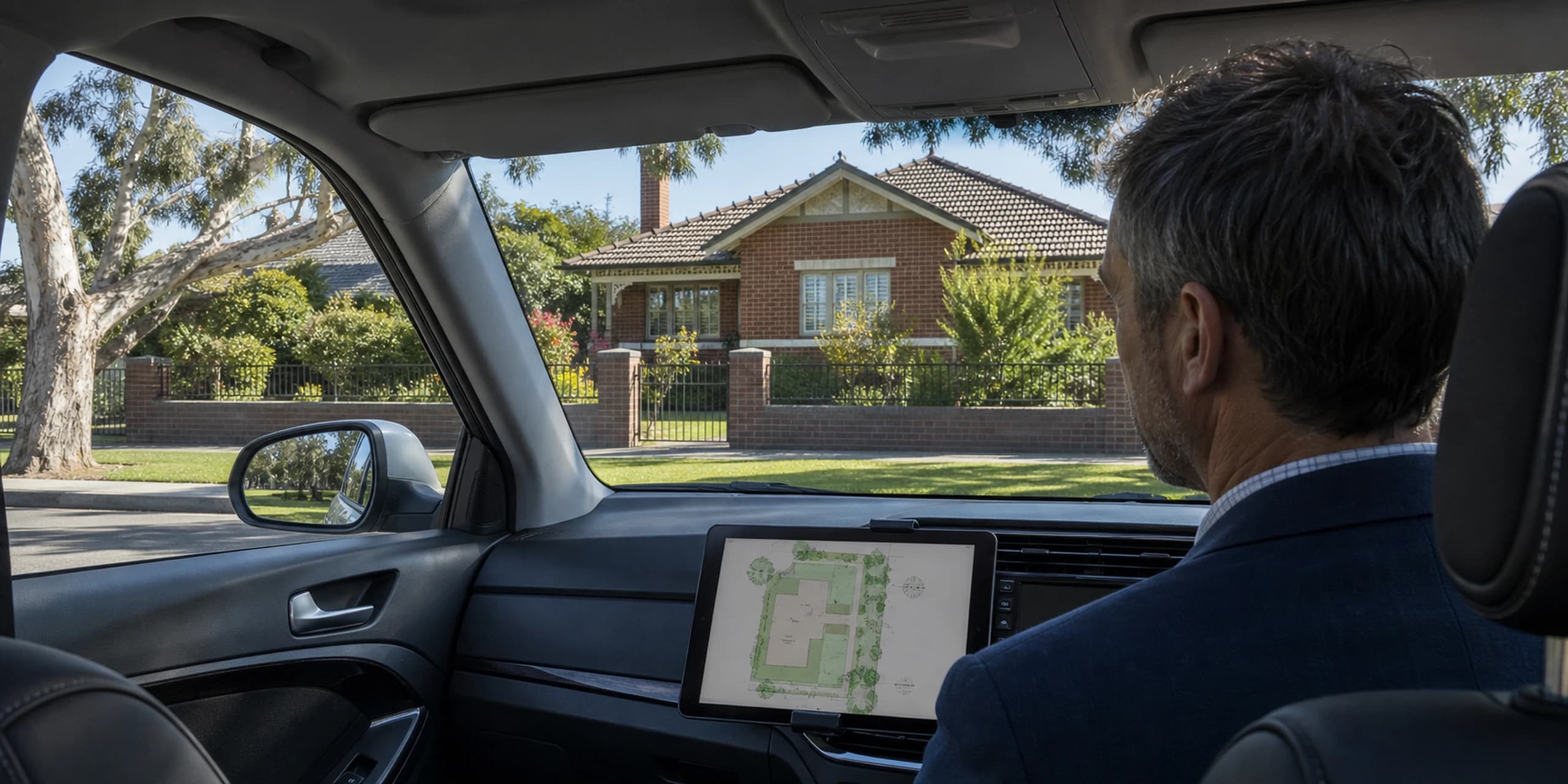
Kerbside valuations: how drive-by valuations work
How an external-only inspection works, what it can and cannot reveal, and how kerbside valuations compare with desktop and full valuations.

How location affects property value in Australia
The location factors that shape property value, from access and schools to street position, supply, planning and environmental risk.
Need evidence of your property’s current market value?
Compare Valato’s property valuation options and choose the level of evidence that suits your purpose.
Need evidence of your property’s current market value?
Compare Valato’s property valuation options and choose the level of evidence that suits your purpose.