Pre-sale (pre-listing) property valuation: should you get one?
A pre-sale valuation is an independent assessment of your property's market value, prepared by a registered valuer before you list it for sale. Because the valuer has no stake in the sale, it gives you an unbiased baseline: a realistic price to aim for, evidence to negotiate with, and the confidence to make decisions without relying only on an agent's appraisal, which can be shaped by the desire to win your listing.

A pre-sale valuation is an independent assessment of your property's market value, prepared by a registered valuer before you list it for sale. Because the valuer has no stake in the sale, it gives you an unbiased baseline: a realistic price to aim for, evidence to negotiate with, and the confidence to make decisions without relying only on an agent's appraisal, which can be shaped by the desire to win your listing.
What is a pre-sale valuation?
A pre-sale, or pre-listing, valuation is exactly what it sounds like: an independent valuation obtained before you put the property on the market. It is prepared by a registered valuer, based on an inspection and comparable sales, and it gives you a documented, objective figure for what your property is genuinely worth today.
It is the seller's counterpart to a pre-purchase valuation, which buyers use to avoid overpaying. As a seller, you use it to make sure you go to market with a realistic, defensible number rather than a hopeful one.
Why get a valuation before selling?
The main reason is independence. When you sell, most of the price guidance you receive comes from agents, and agents are paid on commission and are competing to win your listing. That can pull their appraisals in different directions, and it is not always the objective figure you need.
A registered valuer has no interest in the outcome. They are not trying to win your business for a sale campaign, so the figure reflects the market rather than a pitch. That objectivity is the whole value of getting a valuation before you list.
Set a realistic asking and reserve price
Pricing is where a pre-sale valuation earns its keep. An evidence-based market value, grounded in comparable sales, helps you set an asking price and a reserve that reflect what buyers are actually paying, so you avoid the two classic mistakes.
Overprice, and the property can sit on the market, go stale, and ultimately sell for less. Underprice, or set a reserve too low, and you risk leaving money on the table. A valuation gives you a genuine number to build your pricing strategy around.
Negotiate with evidence
Once offers start coming in, a documented valuation is useful leverage. Instead of arguing about price from feeling, you can point to an independent, evidence-based figure that shows your asking price reflects current market conditions.
That credibility matters with buyers who are pushing hard, and it helps you hold firm on a fair price, or recognise a genuinely good offer when you see one, rather than second-guessing yourself.
Spot issues before you list
Because a valuation involves an inspection, it can also surface things worth knowing before you go to market: maintenance needs, or issues that could affect value or buyer perception. Knowing about them early gives you the chance to fix or factor them in, rather than being caught out mid-campaign. If you are weighing up work before selling, our guide to renovations that add value covers what is worth doing and what is not.
Pre-sale valuation vs agent appraisal
It is worth being clear on the difference. An agent's appraisal is a free estimate of likely selling price from someone who wants your listing, while a pre-sale valuation is an independent, documented assessment from a registered valuer with no stake in the sale. Both have a place, but only one is objective. Our guide to a valuation versus an agent appraisal explains the distinction in full.
How it works alongside your agent
A pre-sale valuation is not a replacement for a good agent. Your agent brings local market knowledge, a buyer network, and the skill to run a campaign and negotiate, which a valuation does not. The two work best together.
Think of the valuation as your independent baseline and reality check, and the agent as the person who takes the property to market and gets the most out of it. Going in with an objective figure means you can have a sharper, more informed conversation with your agent about strategy and price, rather than simply taking a number on trust.
How Valato helps
If you are getting ready to sell, Valato prepares independent, evidence-based valuations across Australia, so you go to market knowing what your property is genuinely worth. It is the objective baseline that helps you price well, negotiate with confidence, and sell on your terms. You can compare the options or order in a couple of minutes, and see our guide to how much a valuation costs.
Frequently asked questions
Should I get a valuation before selling?
It is often worth it. An independent pre-sale valuation gives you an objective, evidence-based figure to set your price, negotiate with, and make decisions on, rather than relying only on agent appraisals that can be shaped by the desire to win your listing.
Is a pre-sale valuation the same as an agent appraisal?
No. An agent appraisal is a free estimate from someone competing for your listing. A pre-sale valuation is an independent, documented assessment by a registered valuer with no stake in the sale.
Will a valuation help me set my price?
Yes. An evidence-based market value helps you set a realistic asking price and reserve, avoiding both overpricing, which can leave a property sitting on the market, and underpricing, which leaves money on the table.
Does a valuation help with negotiation?
It can. A documented, independent figure gives you credibility when buyers push on price, helping you hold a fair price or recognise a strong offer with evidence rather than guesswork.
How much does a pre-sale valuation cost?
It depends on the property and report type. Because it is a professional service rather than a free appraisal, there is a fee, which our guide to how much a property valuation costs explains.
Do I still need an agent if I get a valuation?
Yes. A valuation gives you an objective baseline, but an agent brings market knowledge, a buyer network and campaign and negotiation skill. The two work best together, not as substitutes.
Getting ready to sell?
Go to market knowing what your property is really worth. Valato prepares independent, evidence-based valuations. Just enter the address.
Order a valuationRelated articles.
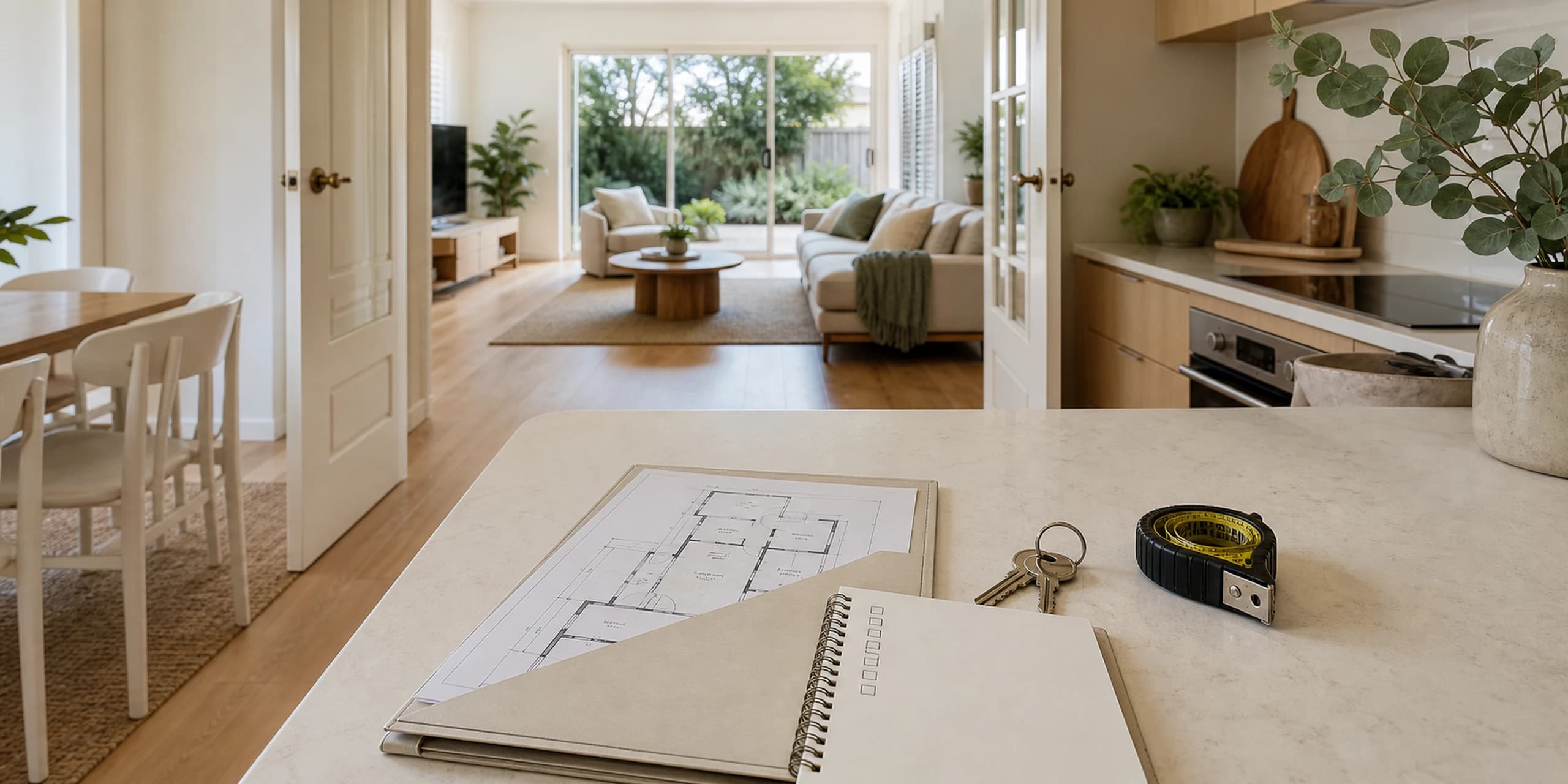
How to prepare for a property valuation: Australian checklist
A practical Australian checklist covering documents, access, presentation, renovations and what happens when a valuer inspects your property.

Rural and agricultural property valuation
How rural and agricultural property is valued: methods, soil, water rights, carrying capacity and improvements, and when you need a specialist valuer.

Property valuation for refinancing and accessing equity
When you refinance, the valuation decides how much equity you can access. How usable equity and LVR work, and what to do if the valuation comes in low.
Getting ready to sell?
Go to market knowing what your property is really worth. Valato prepares independent, evidence-based valuations. Just enter the address.
Getting ready to sell?
Go to market knowing what your property is really worth. Valato prepares independent, evidence-based valuations. Just enter the address.