Renovations that add the most value to a property
The renovations that add the most value are the ones buyers care about most and that cost the least to deliver: a fresh, functional kitchen and bathroom, cosmetic updates like paint and flooring, and sensible improvements to space, street appeal and energy efficiency. The trap to avoid is over-capitalising, spending more on a renovation than it adds back in value. And the only reliable way to know what a renovation actually did to your value is a valuation.
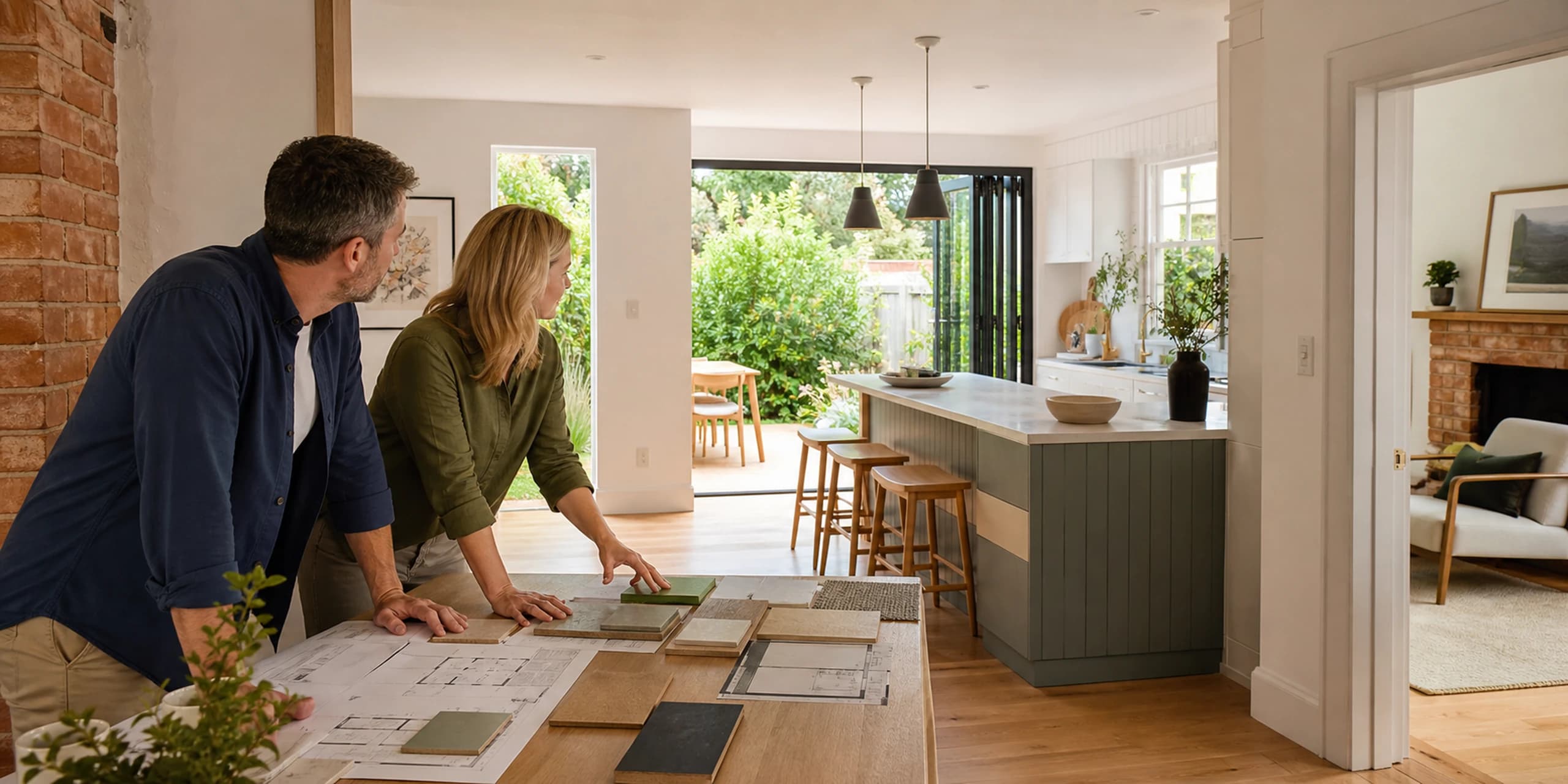
The renovations that add the most value are the ones buyers care about most and that cost the least to deliver: a fresh, functional kitchen and bathroom, cosmetic updates like paint and flooring, and sensible improvements to space, street appeal and energy efficiency. The trap to avoid is over-capitalising, spending more on a renovation than it adds back in value. And the only reliable way to know what a renovation actually did to your value is a valuation.
What adds the most value to a property?
Value-adding renovations share two traits: they target the things buyers judge a property on, and they cost less than the value they create. A tired kitchen or bathroom, dated decor and poor street appeal are exactly what turn buyers off, so fixing them tends to pay. Personal, luxury or hidden improvements that only a particular owner would appreciate rarely do.
The point of any renovation aimed at value is the gap between what you spend and what the property is worth afterwards. Keeping that gap positive is the whole game.
Kitchens and bathrooms: the best returns
Kitchens and bathrooms are consistently the strongest value-adders, because they are the rooms buyers scrutinise most. A modern, functional, well-presented kitchen and bathroom can lift a property noticeably, and updating tired ones is often among the best returns in a renovation.
The key is to renovate to the level of the property and the suburb, not above it. A clean, contemporary kitchen with sensible finishes usually adds more value per dollar than a high-end designer fit-out in a mid-market home. The same goes for bathrooms: neutral, quality finishes appeal to the widest range of buyers.
Cosmetic updates: paint, flooring and lighting
The cheapest improvements often deliver the best bang for your buck. A fresh coat of paint in neutral tones, updated flooring and better lighting can transform how a property presents for a relatively small outlay, and they consistently rank among the highest-return jobs precisely because they cost so little.
Cosmetic work also creates a blank canvas, letting buyers picture themselves in the home. Presentation drives emotional appeal, and emotional appeal drives price.
Adding space and street appeal
Beyond refreshing what is there, adding usable space and lifting the exterior can add real value:
- An extra bedroom or living space. Adding a bedroom, or converting underused space, can lift value meaningfully, because more bedrooms widen the buyer pool, particularly among families.
- Outdoor living. A deck, patio or a tidy, functional outdoor area suits the Australian lifestyle and is often well rewarded.
- Street appeal. Landscaping, a fresh front door, fencing and general tidiness shape the crucial first impression and can lift desirability at modest cost.
Energy efficiency
Energy-efficient features increasingly matter to buyers who are conscious of running costs and comfort. Solar panels, better insulation and double-glazed windows can add appeal and help a property stand out, as well as reducing bills for the owner. As buyer expectations shift, these upgrades are becoming a value factor rather than just a nice-to-have.
What to avoid: over-capitalisation
The biggest mistake in renovating for value is over-capitalising, spending more than the work adds back. Every suburb has a ceiling on what buyers will pay, no matter how good the renovation, so pouring money into a property beyond that ceiling simply does not return.
A few principles keep you on the right side of it:
- Mind the ceiling. Research recent sales of renovated properties in your area to see what the top of the market actually pays.
- Keep spending in proportion. A common rule of thumb is to keep a renovation within roughly 5 to 10% of the property's value, though this varies.
- Favour function over luxury. Practical, broadly appealing improvements beat personalised or high-end finishes in most homes.
- Be wary of low-return work. Swimming pools can deter as many buyers as they attract, highly personalised or themed designs narrow your buyer pool, and structural changes like moving walls or plumbing often cost far more than they return.
Renovations, tax and your cost base
If the property is an investment, renovations have a tax dimension as well as a value one. Capital improvements can be depreciated over time through a quantity surveyor's schedule, and they can also form part of your cost base, which affects capital gains tax when you sell.
This is separate from market value, and it is worth getting right. Our guides to a valuation for a depreciation schedule and property valuation for capital gains tax explain how renovations feed into depreciation and cost base, and your accountant can confirm the treatment for your situation.
How a valuation helps
A valuation is the reality check on a renovation. Before you start, a valuation and a look at comparable sales tell you the suburb ceiling and whether your plans risk over-capitalising. Afterwards, a valuation confirms what the work actually added, which is useful for refinancing, selling or your records.
Valato prepares independent, evidence-based valuations across Australia, so you can plan a renovation around real numbers and confirm the result. If you are buying a property to renovate, a pre-purchase valuation helps you buy at the right price in the first place. You can compare the options or order in a couple of minutes.
Frequently asked questions
What renovation adds the most value?
Kitchens and bathrooms consistently add the most, because buyers judge a property heavily on them. Cosmetic updates like paint and flooring add strong value for a small cost, and adding a bedroom or improving street appeal also pays.
Does a new kitchen add value?
Usually, yes, provided it suits the property and the suburb. A clean, functional, contemporary kitchen tends to add more value per dollar than an expensive designer fit-out in a mid-market home.
What is over-capitalisation?
It is spending more on a renovation than it adds to the property's value. It happens when the work pushes the property above what buyers in the area will pay, so the extra spend is not recovered.
Do renovations increase my property valuation?
Value-adding renovations generally do, but not dollar for dollar, and not above the suburb's price ceiling. The only way to know how much a renovation added is an independent valuation.
Does a swimming pool add value?
Not reliably. A pool appeals to some buyers but deters others who see it as a maintenance cost, so it often does not deliver a strong return, especially in family or lower-maintenance markets.
Should I get a valuation before renovating?
It is a smart move. A valuation and comparable sales show you the local price ceiling and help you avoid over-capitalising, so you renovate around real numbers rather than guesswork.
General information only: This article is general in nature and does not take into account your individual circumstances. It should not be relied on as tax, financial or legal advice. Renovation returns vary by property and market, and tax treatment depends on your situation; confirm with a qualified professional.
Planning a renovation?
Get an independent valuation to check the suburb ceiling before you spend, and confirm the value you added afterwards. Just enter the address.
Order a valuationRelated articles.
How to prepare for a property valuation: Australian checklist
A practical Australian checklist covering documents, access, presentation, renovations and what happens when a valuer inspects your property.
Pre-sale (pre-listing) property valuation: should you get one?
A pre-sale valuation gives sellers an independent market value before listing, to set a realistic price, negotiate with evidence and decide with confidence.

Rural and agricultural property valuation
How rural and agricultural property is valued: methods, soil, water rights, carrying capacity and improvements, and when you need a specialist valuer.
Planning a renovation?
Get an independent valuation to check the suburb ceiling before you spend, and confirm the value you added afterwards. Just enter the address.
Planning a renovation?
Get an independent valuation to check the suburb ceiling before you spend, and confirm the value you added afterwards. Just enter the address.