What is a replacement cost valuation?
A replacement cost valuation estimates what it would cost to rebuild a property from scratch at today's prices, including construction costs, demolition and professional fees. It is used to set the sum insured on a building insurance policy, and it is different from market value, which also reflects land and buyer demand. This guide explains what a replacement cost valuation is, how it differs from market value, why under-insurance is a real risk, and what the figure includes.
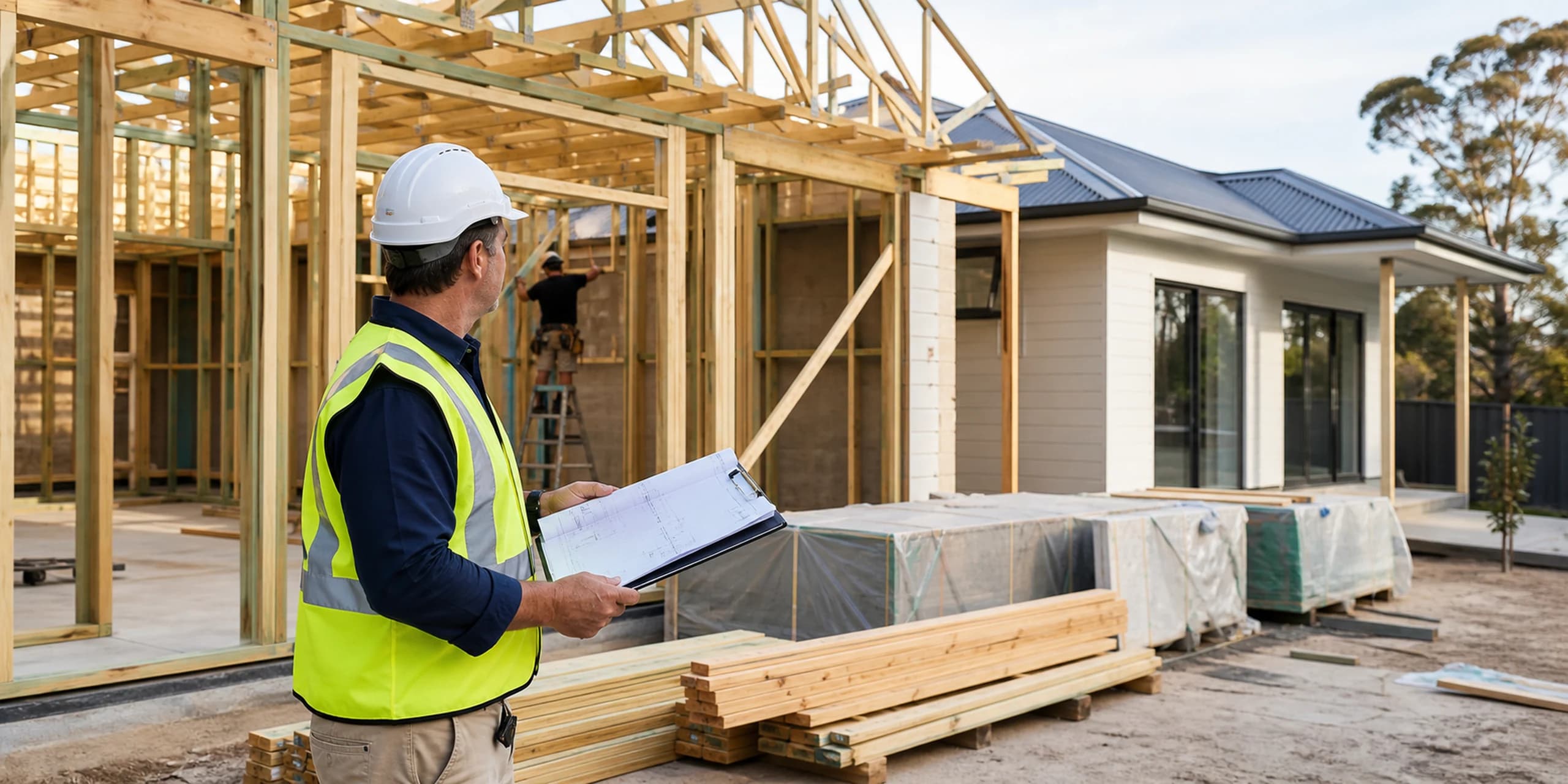
A replacement cost valuation estimates what it would cost to rebuild a property from scratch at today's prices, including construction costs, demolition and professional fees. It is used to set the sum insured on a building insurance policy, and it is different from market value, which also reflects land and buyer demand. This guide explains what a replacement cost valuation is, how it differs from market value, why under-insurance is a real risk, and what the figure includes.
Key takeaways
- A replacement cost valuation is the cost to rebuild a property at today's prices, not what it would sell for.
- It sets the sum insured on a building insurance policy, so the cover matches the true rebuild cost.
- Replacement cost is different from market value, which reflects land and market demand as well.
- Under-insurance is common, and it can leave you badly short if you need to reconstruct.
- The figure is built using the replacement cost method, and it should be refreshed as construction costs rise.
What is a replacement cost valuation?
A replacement cost valuation determines what it would cost to replace a building if it were destroyed. It answers a single question: how much to rebuild, from scratch, at current prices.
It is prepared for insurance rather than sale. Insurers and brokers use the figure to set the sum insured, so the policy covers the full cost to reconstruct the property.
The valuation uses the replacement cost method, a recognised cost approach. Rather than looking at what buyers would pay, it prices the labour and materials needed to build the property again today.
Replacement cost vs market value
This is the distinction that trips people up. Market value, or fair market value, is what a property is worth on the open market, reflecting the land, location and buyer demand. Replacement cost is only the cost to rebuild the structure.
The two can differ sharply. In many markets the land is a large part of the price, so market value sits well above replacement cost. In others, high construction costs can push replacement cost above the market value.
There is also indemnity value, the depreciated cost to rebuild, which is sometimes called actual cash value. A replacement cost policy rebuilds as new, while an indemnity or actual cash value settlement deducts depreciation for age and wear.
What a replacement cost valuation includes
A proper figure is more than the bricks and mortar. To rebuild, you have to account for every cost and expense of getting the property back, and several factors affect the total.
- Construction costs. The labour and materials to rebuild the structure at today's prices.
- Demolition and debris removal. Clearing the site before rebuilding can begin.
- Professional fees. Architect, engineer and other professional fees, plus council permits.
- Compliance upgrades. Meeting current building standards, which may exceed the original build.
- Cost escalation. Allowance for prices rising during the design and rebuild period.
Leaving these other costs out is a common reason a sum insured falls short.
Why under-insurance is a risk
Under-insurance happens when the sum insured is lower than the actual cost to rebuild. It is surprisingly common, because owners guess the figure or let it lag behind rising construction costs.
If you are not adequately insured, a claim can leave you badly out of pocket. Some policies also apply an average, or co-insurance, clause, which reduces the payout in proportion to how far you were under-insured, even for a partial loss.
Because construction costs move over time, a figure that was right a few years ago can be well short today. Refreshing the replacement cost valuation keeps your cover accurate.
How the replacement cost method works
The replacement cost method measures the building, then applies current rates for labour, materials and other costs to determine the rebuild figure.
A replacement figure rebuilds the property as new, without deducting for age. An indemnity figure is depreciated to reflect the building's condition. Your policy type decides which applies, so it is important to match the valuation to the cover.
When you need a replacement cost valuation
There are a few moments when an up-to-date figure really matters.
- Renewing home or building insurance, to check the sum insured is still accurate.
- After renovations or an extension that increase the rebuild cost.
- For a strata or commercial building, where accurate insurance valuations are essential.
- Any time you suspect your cover has fallen behind rising construction costs.
How Valato helps
Valato provides independent property valuations across Australia, including insurance replacement cost assessments for homes and other property assets, prepared by qualified valuers. Each report sets out the rebuild figure and what it covers, so you can insure with confidence.
Whether it is a home, a strata scheme or a commercial building, an independent figure helps you avoid under-insurance. Compare the valuation options or order a valuation to get a rebuild figure you can rely on.
The bottom line
A replacement cost valuation tells you what it would cost to rebuild your property at today's prices, and it is the right basis for setting your building insurance sum insured. It is not the same as market value, which includes land, and it needs refreshing as construction costs rise. Getting the figure right, from an independent valuer, is the simplest way to avoid the shock of under-insurance when you can least afford it.
Frequently asked questions
What is a replacement cost valuation?
It is an estimate of what it would cost to rebuild a property from scratch at today's prices, including construction costs, demolition and professional fees. It is used to set your building insurance sum insured.
Is replacement cost the same as market value?
No. Market value is what the property would sell for, including land and demand. Replacement cost is only the cost to rebuild the structure, so the two figures are often very different.
What is the difference between replacement cost and indemnity value?
Replacement cost rebuilds the property as new. Indemnity value, sometimes called actual cash value, deducts depreciation for age and wear, so it pays less. Your policy decides which applies.
Why is under-insurance a problem?
If your sum insured is below the rebuild cost, a claim can leave you short. Some policies also apply an average clause, reducing the payout further when you are under-insured.
How often should I update my replacement cost valuation?
Review it at each insurance renewal, and again after renovations, because construction costs rise over time and an old figure can leave you under-insured.
General information only: This article is general in nature and does not take into account your individual circumstances. It should not be relied on as financial, tax or legal advice. Check your insurance policy terms and speak with a qualified professional before making decisions about your cover.
Insured for the right amount?
Independent replacement cost valuations across Australia, so your sum insured matches the true rebuild cost.
Order a valuationRelated articles.
How to prepare for a property valuation: Australian checklist
A practical Australian checklist covering documents, access, presentation, renovations and what happens when a valuer inspects your property.

Pre-sale (pre-listing) property valuation: should you get one?
A pre-sale valuation gives sellers an independent market value before listing, to set a realistic price, negotiate with evidence and decide with confidence.

Rural and agricultural property valuation
How rural and agricultural property is valued: methods, soil, water rights, carrying capacity and improvements, and when you need a specialist valuer.
Insured for the right amount?
Independent replacement cost valuations across Australia, so your sum insured matches the true rebuild cost.
Insured for the right amount?
Independent replacement cost valuations across Australia, so your sum insured matches the true rebuild cost.