What is an automated valuation model (AVM)?
An automated valuation model, or AVM, is a computer system that estimates a property's value almost instantly, using large property datasets and machine learning rather than a valuer inspecting the property. Lenders use AVMs to value standard, lower-risk properties quickly and cheaply, and each estimate comes with a confidence score that signals how reliable it is. AVMs are fast, low-cost and scalable, but because they never see inside a property, they are not a replacement for a full valuation.
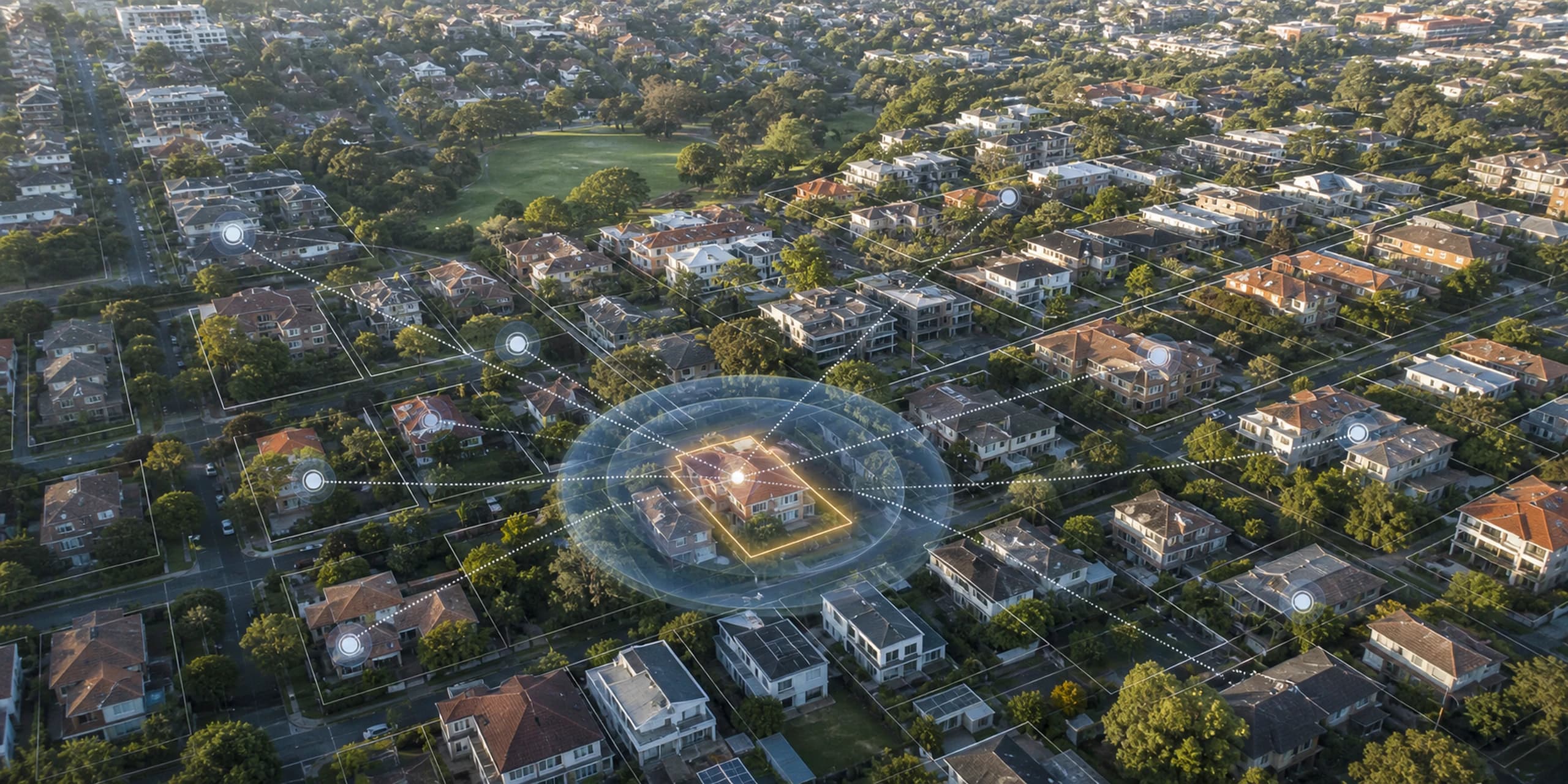
An automated valuation model, or AVM, is a computer system that estimates a property's value almost instantly, using large property datasets and machine learning rather than a valuer inspecting the property. Lenders use AVMs to value standard, lower-risk properties quickly and cheaply, and each estimate comes with a confidence score that signals how reliable it is. AVMs are fast, low-cost and scalable, but because they never see inside a property, they are not a replacement for a full valuation.
What is an automated valuation model?
An AVM is a statistical, data-driven tool that produces a property value estimate in seconds. Instead of a person attending the property, software analyses recent sales and property data to model what the property is likely worth at a point in time.
The major Australian providers hold enormous property datasets. Cotality, formerly CoreLogic, says its AVM covers more than 96% of residential properties in Australia and delivers real-time estimates that adapt as the market shifts. That scale is exactly what makes AVMs useful for tasks that would be slow or expensive to do one property at a time.
How an AVM works
An AVM combines two things: a large body of data, and a model that turns that data into an estimate.
On the data side, it draws on sales history, property attributes, land and title information, and broader market trends. On the modelling side, it applies statistical and machine learning techniques to compare the subject property with similar properties and recent comparable sales, then produces an estimated value. Because the underlying data updates constantly, a good AVM re-estimates as new sales come through, rather than relying on a single snapshot. In effect, it is a fast, automated version of the direct comparison approach a valuer uses, which our guide to property valuation methods explains. The difference is that the AVM does it from data alone.
Confidence scores: how reliable is an AVM estimate?
An AVM estimate is not a single number in isolation. It usually comes with a confidence score, a measure of how reliable the model thinks that estimate is.
Confidence tends to be higher when the property is standard, the area has plenty of recent comparable sales, and the data is complete. It tends to be lower for unusual properties, in areas with few recent sales, or where the data is thin. Lenders pay close attention to this score, because it tells them whether the automated figure is solid enough to rely on or whether a physical valuation is needed instead.
Who uses AVMs and why
AVMs are mostly a lender tool, though they are used more widely:
- Lenders use them to value standard properties at lower loan-to-value ratios quickly and cheaply, to revalue mortgage portfolios in bulk, and to monitor risk where sending a human valuer to every property would be prohibitively expensive.
- Real estate professionals use them for quick market reads and appraisals.
- Government and analysts use them for large-scale market and policy analysis.
The common thread is volume and speed: an AVM shines when you need many estimates fast and the properties are fairly standard.
AVM vs desktop, kerbside and full valuation
An AVM sits at the lightest end of the valuation spectrum, with no inspection at all:
| Method | Inspection | Prepared by | Speed |
|---|---|---|---|
| AVM | None (data only, automated) | Software model | Instant |
| Desktop | None (data, valuer reviewed) | Valuer, remotely | Fast |
| Kerbside | External only | Valuer, from the street | Quick |
| Full | Interior and exterior | Valuer, on site | Slowest |
A desktop valuation is also data-based but reviewed by a valuer, a kerbside valuation adds an external inspection, and a full valuation adds a complete inspection. The more the property or its condition matters, the further up that list you need to go.
The limitations of AVMs
The speed of an AVM comes from the fact that no one looks at the property, and that is also its main weakness. An AVM cannot see the interior, the condition, a recent renovation, or anything unusual that a person would notice. It is only as good as the data behind it, and that data often lacks detail such as building size, layout or quality.
So AVMs are least reliable exactly where value is hardest to model: heavily renovated or run-down properties, unique homes, rural or acreage properties, and thin markets with few recent sales. For those, and for any purpose where the figure has to stand up, an automated estimate is not enough. An AVM is generally not accepted on its own for capital gains tax, SMSF compliance, stamp duty or legal matters, which need an independent, signed valuation.
When you need more than an AVM
An AVM is a great starting point for a quick, low-stakes read on value. When the decision matters, you want a person and a method behind the figure.
This is where Valato's approach fits. Our AI Evidence Report combines data-driven analysis with comparable-sales evidence and a confidence score, and a registered valuer reviews or signs off where the situation calls for it, giving you the speed of automation with the standing of a professional valuation. For tax, SMSF, estate or lending purposes, or where the property is anything but standard, that is the difference between an estimate and a report you can rely on. You can compare the options or order in a couple of minutes.
Frequently asked questions
What is an automated valuation model?
It is a computer system that estimates a property's value instantly from large datasets and machine learning, without anyone inspecting the property. Each estimate usually comes with a confidence score.
How accurate is an AVM?
It depends on the property and the data. AVMs are reasonably accurate for standard properties in areas with plenty of recent sales, and less accurate for unusual properties or thin markets. The confidence score signals how reliable a given estimate is.
Do banks use AVMs?
Yes. Lenders use AVMs to value standard, lower-risk properties quickly, to revalue loan portfolios in bulk, and to monitor risk. When the confidence is low, they order a physical valuation instead.
Can I use an AVM for capital gains tax or SMSF?
Generally no. Tax, SMSF and legal purposes need an independent, signed valuation based on objective, supportable evidence. An automated estimate is not accepted on its own for those.
What is the difference between an AVM and a valuation?
An AVM is an automated, data-only estimate produced by software. A valuation is prepared by a registered valuer, can include an inspection, and is documented so it can be relied on. An AVM is faster and cheaper, a valuation is more defensible.
What is a confidence score?
It is a measure of how reliable the AVM believes its estimate is, based on data quality and the availability of comparable sales. A high score suggests a solid estimate, a low score suggests a valuation is needed.
Need more than an automated estimate?
Valato's AI Evidence Report pairs data-driven analysis with comparable-sales evidence and valuer review, for a figure you can rely on. Just enter the address.
Order a valuationRelated articles.
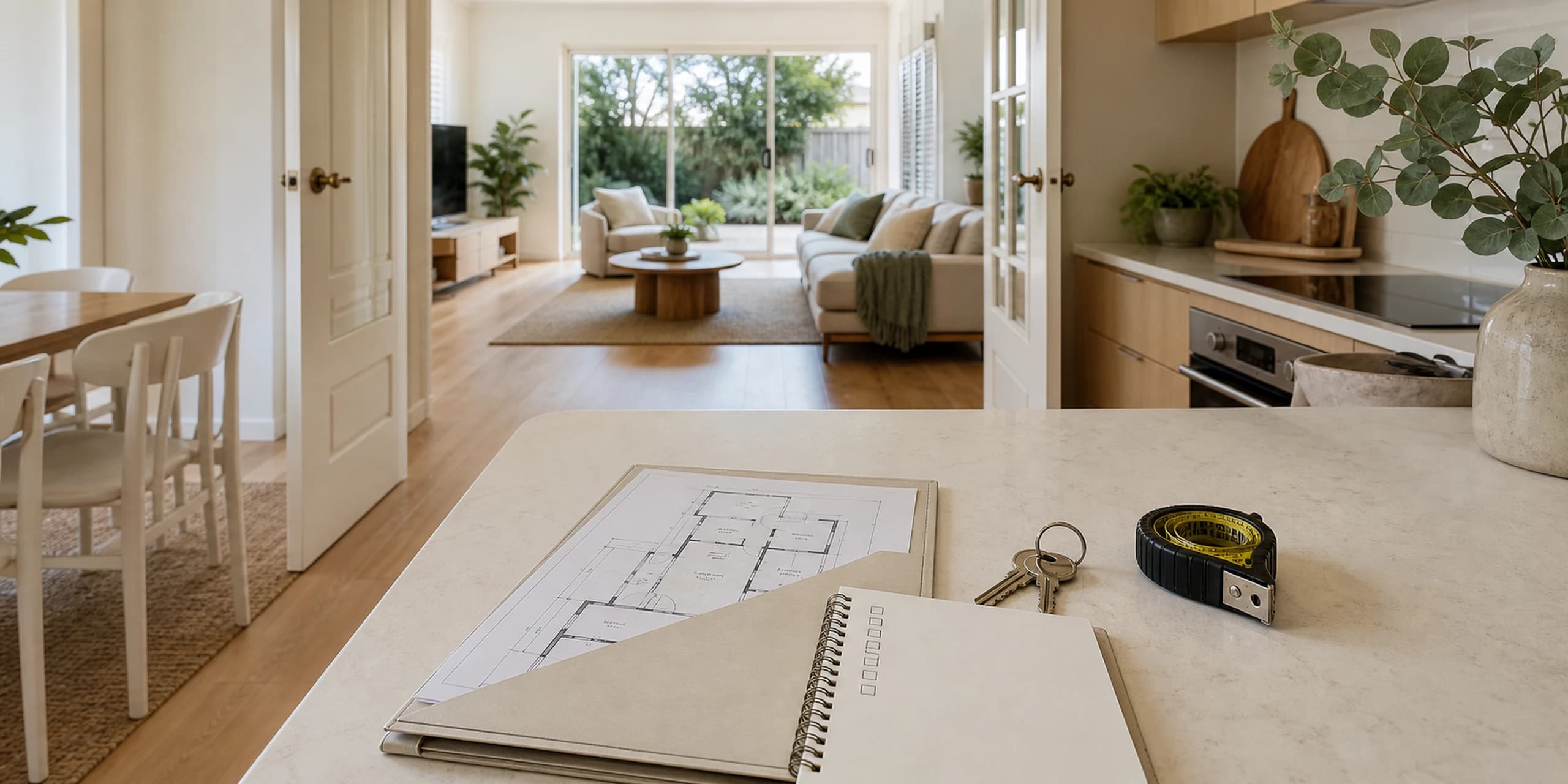
How to prepare for a property valuation: Australian checklist
A practical Australian checklist covering documents, access, presentation, renovations and what happens when a valuer inspects your property.

Pre-sale (pre-listing) property valuation: should you get one?
A pre-sale valuation gives sellers an independent market value before listing, to set a realistic price, negotiate with evidence and decide with confidence.

Rural and agricultural property valuation
How rural and agricultural property is valued: methods, soil, water rights, carrying capacity and improvements, and when you need a specialist valuer.
Need more than an automated estimate?
Valato's AI Evidence Report pairs data-driven analysis with comparable-sales evidence and valuer review, for a figure you can rely on. Just enter the address.
Need more than an automated estimate?
Valato's AI Evidence Report pairs data-driven analysis with comparable-sales evidence and valuer review, for a figure you can rely on. Just enter the address.