Highest and best use in property valuation, explained
Highest and best use is the reasonably probable and legal use of a property that is legally permissible, physically possible, financially feasible and maximally productive. It is the basis on which market value is assessed. In plain terms, a property is valued not just on how it is used today, but on the most valuable thing that could realistically be done with it. This guide explains the four tests of highest and best use, how valuers apply them, and why the concept can lift or cap a property's value.
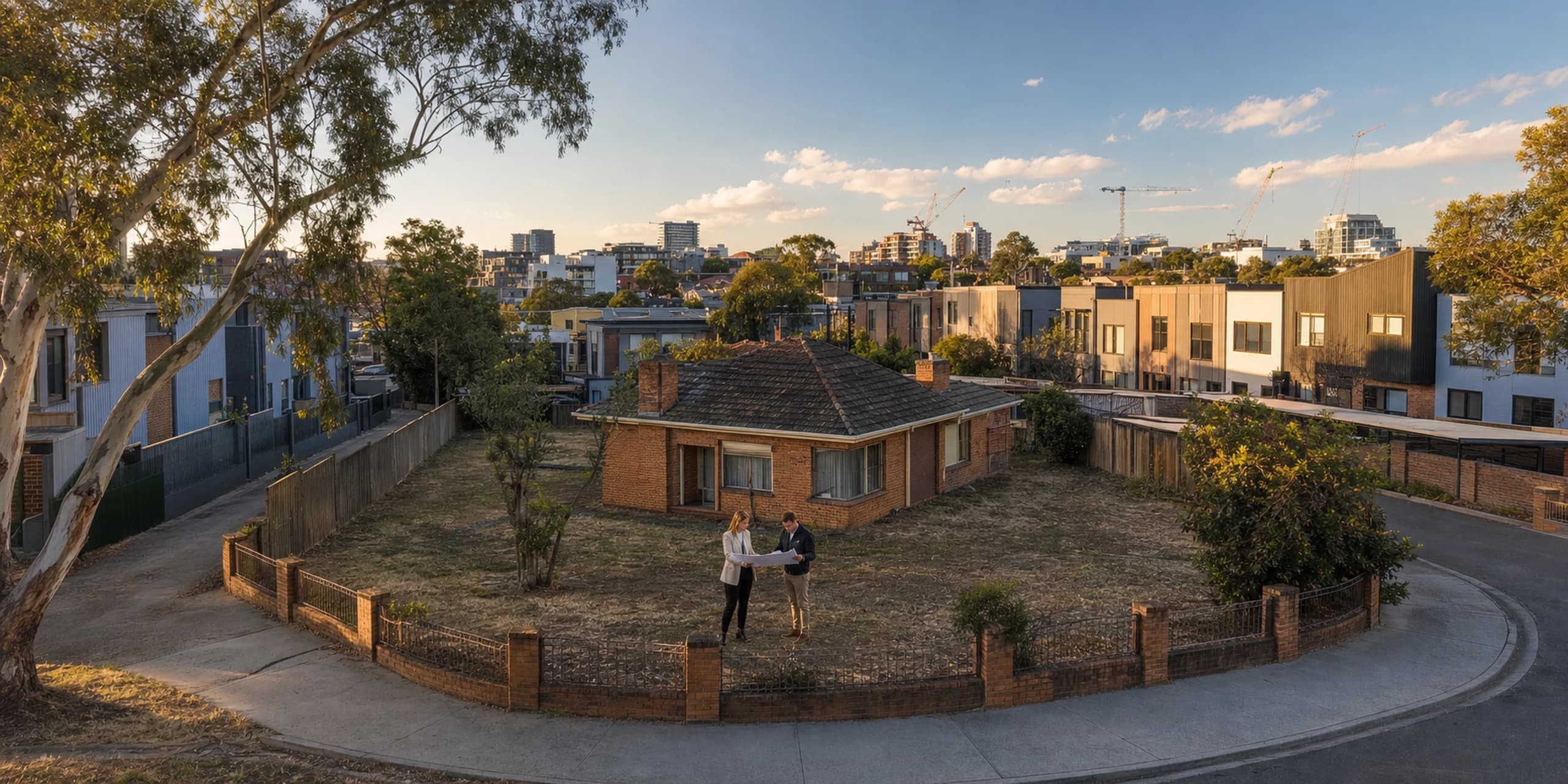
Highest and best use is the reasonably probable and legal use of a property that is legally permissible, physically possible, financially feasible and maximally productive. It is the basis on which market value is assessed. In plain terms, a property is valued not just on how it is used today, but on the most valuable thing that could realistically be done with it. This guide explains the four tests of highest and best use, how valuers apply them, and why the concept can lift or cap a property's value.
Two identical houses can be worth very different amounts if one sits on land that could become townhouses. Highest and best use is what captures that difference.
Key takeaways
- Highest and best use is the most valuable, realistic use of a property, and it drives market value.
- It must pass four tests: legally permissible, physically possible, financially feasible and maximally productive.
- A property is valued on this use, not just its existing use.
- Valuers assess it through market analysis, feasibility and comparable sales evidence.
- Where the highest and best use differs from the current use, value can rise sharply.
What is highest and best use?
Highest and best use is a core valuation concept. It is the use of a property that is reasonably probable, legal, and produces the highest value.
The idea was codified by the Appraisal Institute in United States real estate appraisal practice, and it is reflected in the International Valuation Standards that Australian valuers work to. In a real estate valuation, whether the appraisal is done here or overseas, the same principle underpins how market value is defined. It applies to every kind of real estate, from a house to a commercial building.
Crucially, it is about potential, not just the present. The analysis asks what the most productive realistic use of the land or improved property is, whether or not that is how it is used today.
Why highest and best use matters
Highest and best use matters because it sets the value. Market value assumes a property is put to its highest and best use, so the assessment shapes the figure directly.
This is why a site's existing use can understate its worth. If the land could support something more valuable, its potential use, not its current use, drives the value.
For owners, developers and investors, understanding the highest and best use of a property is understanding where its value really comes from. It is also the reason a professional valuation, or appraisal, looks beyond the current use to a property's full potential value.
The four tests of highest and best use
To be the highest and best use, a use has to pass four tests, applied in sequence. A use that fails any test is eliminated.
Legally permissible
The first test is legal permissibility. The use must be allowed under zoning, planning controls, and any legal constraints such as easements or deed restrictions.
A use that the planning scheme prohibits cannot be the highest and best use, however profitable it might be. Where a rezoning is realistic, a valuer may consider it, but only with reasonable probability.
Physically possible
The second test is physical possibility. The site must be physically capable of the use, considering its size, shape, topography, access and any physical constraints.
A high rise office building is not the highest and best use of a small, awkward block that cannot physically accommodate it.
Financially feasible
The third test is financial feasibility. Of the uses that are legal and physical, only those that are financially feasible remain, meaning they would generate an adequate return.
Financial feasibility is tested with market analysis and, for development, feasibility studies. A use that costs more to deliver than it returns is not feasible.
Maximally productive
The final test is maximum productivity. Of the remaining feasible uses, the highest and best use is the maximally productive use, the one that produces the highest value or the highest residual land value.
This is the maximally productive use that a valuation ultimately adopts. It is the use that a rational market participant would choose.
How valuers determine highest and best use
Determining highest and best use is an analysis, not a guess. The valuer works through the four criteria in order, discarding uses that fail each test.
They draw on market analysis, market trends and market demand to judge what is feasible, and on comparable sales and relevant market data to test value. Where development is involved, feasibility studies model the numbers.
The test is always what the market would do. The valuer considers how market participants would view the subject property under current market conditions, not what any single owner might prefer.
The conclusion must be appropriately supported by evidence, not merely asserted. That evidence is what makes the highest and best use, and the value based on it, defensible.
Highest and best use as vacant versus as improved
Valuers often assess highest and best use twice: as if the land were vacant, and as it is currently improved.
The highest and best use of the land as vacant land identifies the ideal use ignoring any existing buildings. The highest and best use as an improved property considers the existing improvements as they stand.
Comparing the two shows whether the current improvements add value or should, in theory, make way. Where the land as vacant is worth more even after demolition costs, redevelopment may be the highest and best use.
Sometimes the answer is an interim use: keeping the property in its current use for now, until redevelopment becomes feasible.
Highest and best use and development
For development sites, highest and best use is central. The most valuable feasible scheme is the one that generates the highest residual land value.
This ties directly to a development site valuation, where the residual method works back from the value of the completed project. The assumed highest and best use sets what that project is.
Get the highest and best use wrong, and every number that follows is wrong too.
Examples of highest and best use
A few simple examples show the concept in action.
An older house on a large block zoned for medium density may have a highest and best use of townhouses, so it sells for more than its value as a single home.
A well-located shop might be worth more redeveloped than as its current use, if the feasibility supports it. A rural block on the city fringe might have a potential use for future subdivision that lifts its value above farmland.
In each case, alternative uses are weighed, and the most productive realistic one drives the figure.
Highest and best use and the type of property
The concept applies across property types, but it plays out differently.
For a home, the highest and best use is often simply continued residential use, and the value follows comparable sales. For a development site, the proposed use and its potential value are what matter, and the analysis is far more involved.
Commercial and industrial property sit in between, where the current use, alternative uses and market demand all feed the analysis of the subject property.
Highest and best use in a valuation report
A valuation report will usually state the highest and best use it has adopted for the subject property, because the whole figure depends on it.
If you are reading a valuation, that statement tells you a lot. It shows whether the valuer has valued the property on its current use or on a more valuable potential use, and the market analysis behind that choice.
Where the highest and best use is redevelopment, expect the report to reference feasibility and the proposed use, not just comparable sales of similar existing properties.
When highest and best use changes the value
The gap between current use and highest and best use is where value is unlocked, or lost.
When a property's highest and best use is more valuable than its existing use, the market prices in that potential, and property values reflect it. When planning changes remove a potential use, the reverse happens.
This is why zoning changes and planning decisions can move property values so much: they change the highest and best use. For a buyer, spotting a gap between the current use and the highest and best use is how value is found before the market fully prices it in.
Common misconceptions
A few misunderstandings are worth clearing up.
Highest and best use is not simply the most expensive thing you could build. It must be legal, physical and financially feasible first, and only then maximally productive.
It is also not speculative. A use only counts if it is reasonably probable, appropriately supported by market evidence, not just imaginable.
Nor is it fixed forever. As zoning, market conditions and demand change, a property's highest and best use can change with them, and so can its value.
How Valato helps
Valato provides independent property valuations across Australia that assess highest and best use as part of determining market value, prepared by qualified valuers.
Whether you are weighing a development, buying a site, or simply want to understand what your property is really worth, the valuation reflects its most valuable realistic use, backed by evidence. For a development, that highest and best use analysis feeds straight into a residual land value assessment of the site's potential. Compare the valuation options or order a valuation to get started.
The bottom line
Highest and best use is the reasonably probable, legal, feasible and maximally productive use of a property, and it is the foundation of market value. A property is worth what its best realistic use supports, not just what it earns today. Understanding the four tests, and getting a valuation that applies them properly, is how you see the true value in land and improved property alike.
Frequently asked questions
What is highest and best use in a property valuation?
It is the reasonably probable and legal use of a property that is legally permissible, physically possible, financially feasible and maximally productive. Market value is assessed on this use, not just the current one.
What are the four tests of highest and best use?
Legally permissible, physically possible, financially feasible and maximally productive. They are applied in that order, and a use that fails any test cannot be the highest and best use.
Does highest and best use mean the current use?
Not necessarily. It is the most valuable realistic use, which may differ from the existing use. Where the potential use is more valuable, the market prices that in.
How do valuers work out highest and best use?
Through market analysis, market trends and, for development, feasibility studies, testing each use against the four criteria and supporting the conclusion with comparable sales and market evidence.
Why does highest and best use affect value?
Because market value assumes the property is put to its highest and best use. If the land could support something more valuable, that potential, not the current use, drives the value.
General information only: This article is general in nature and does not take into account your individual circumstances. It should not be relied on as tax, financial or legal advice. Speak with a qualified professional before making decisions about your property or a development.
Want to know your property's true value?
Independent valuations across Australia that assess highest and best use, so you see the full potential value.
Order a valuationRelated articles.
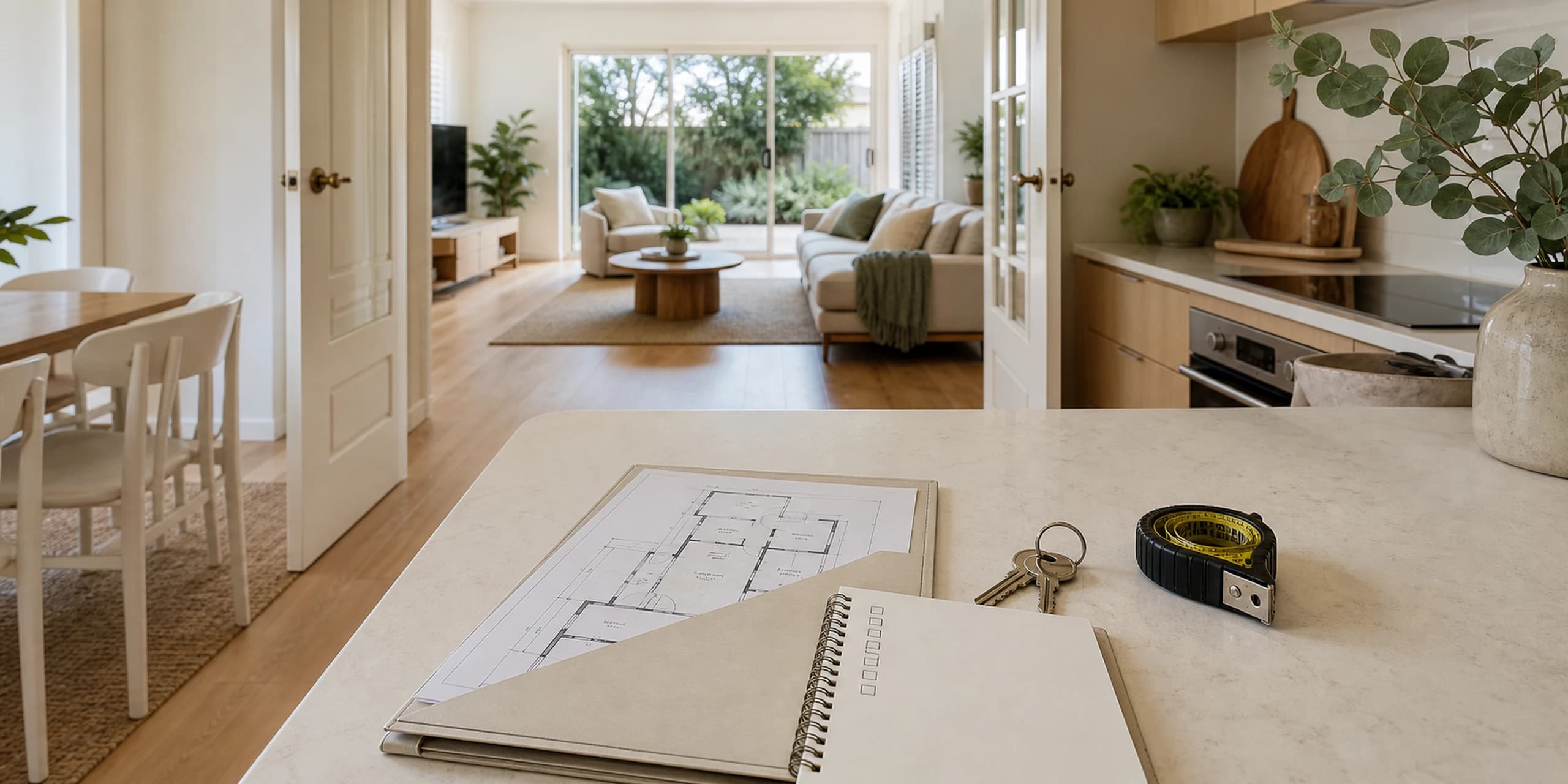
How to prepare for a property valuation: Australian checklist
A practical Australian checklist covering documents, access, presentation, renovations and what happens when a valuer inspects your property.

Pre-sale (pre-listing) property valuation: should you get one?
A pre-sale valuation gives sellers an independent market value before listing, to set a realistic price, negotiate with evidence and decide with confidence.
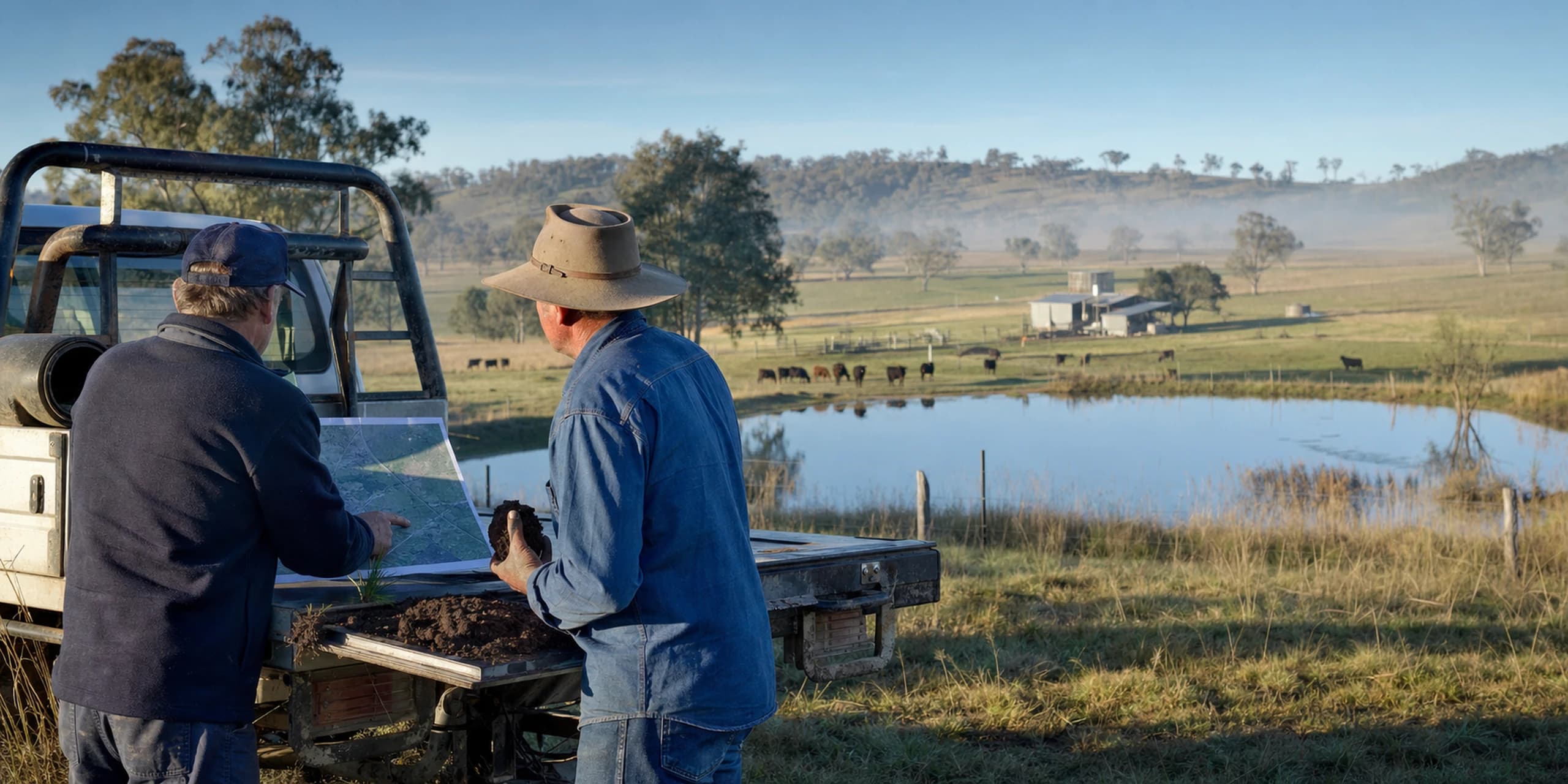
Rural and agricultural property valuation
How rural and agricultural property is valued: methods, soil, water rights, carrying capacity and improvements, and when you need a specialist valuer.
Want to know your property's true value?
Independent valuations across Australia that assess highest and best use, so you see the full potential value.
Want to know your property's true value?
Independent valuations across Australia that assess highest and best use, so you see the full potential value.