Vacant land valuation: how land is valued
A vacant land valuation is an assessment of the market value of a block of land with no buildings on it. Land is valued much like any property, but with the focus entirely on the land itself: its size and shape, zoning, services, topography and location, and what it could be used or developed for. The main method is direct comparison with recent sales of similar blocks, and where land has development potential, a residual approach based on what could be built.
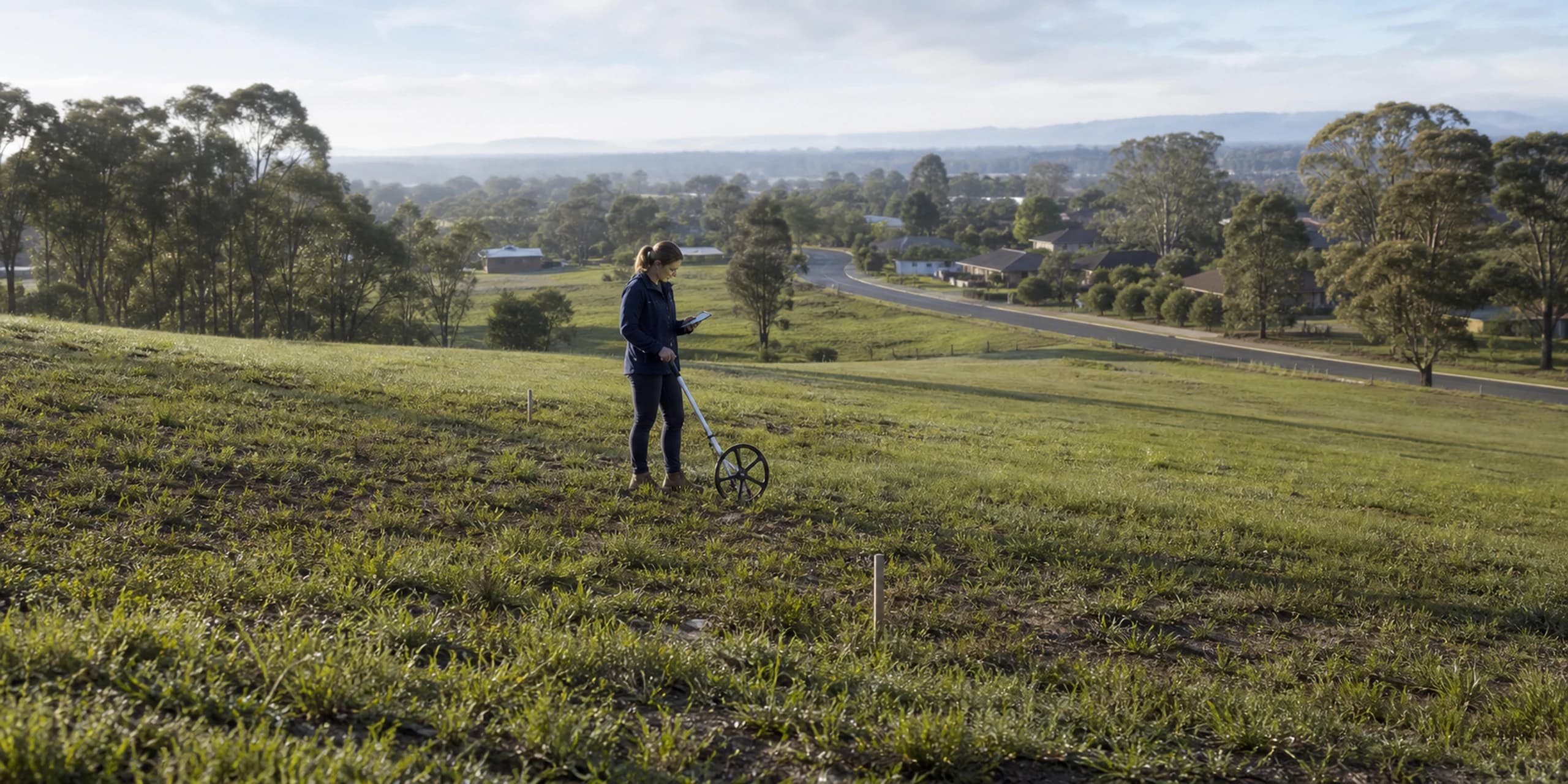
A vacant land valuation is an assessment of the market value of a block of land with no buildings on it. Land is valued much like any property, but with the focus entirely on the land itself: its size and shape, zoning, services, topography and location, and what it could be used or developed for. The main method is direct comparison with recent sales of similar blocks, and where land has development potential, a residual approach based on what could be built.
What is a vacant land valuation?
A vacant land valuation establishes what a parcel of land is worth on the open market, as at a particular date, when there is no dwelling or other significant building to value. That makes the land, and its potential, the whole story.
Because there are no improvements to assess, the valuer concentrates on the attributes of the site and the planning rules that apply to it, then tests that against what comparable blocks have actually sold for. The result is a documented, evidence-based market value you can rely on for a sale, a tax obligation, an estate or a development decision.
How vacant land is valued: direct comparison
The primary method for valuing vacant land is direct comparison. The valuer looks at recent sales of similar vacant blocks in the area and compares them to the subject land, adjusting for the differences.
Because no two parcels are identical, the valuer adjusts the comparable sales for factors such as land size, shape, zoning, available services and location, to arrive at a value for the subject block. Good comparable evidence, recent sales of genuinely similar land, is what makes the figure defensible. This is the same direct comparison approach used across property valuation, which our guide to property valuation methods explains in full.
Valuing land with development potential: the residual method
Where land has genuine development potential, its value is often driven by what could be built on it rather than by comparison alone. In that case a valuer may use a residual, or hypothetical development, approach.
The residual method starts with the likely end value of a completed development on the site, then subtracts the costs of building it and a developer's profit margin, leaving the residual value the land can support. This ties directly to the land's highest and best use, the most valuable use that is legally permissible, physically possible and financially feasible. Our guides to development site valuation and highest and best use cover this in detail.
What affects the value of vacant land
Several factors drive what a block of vacant land is worth:
- Zoning and permitted use. What the land can legally be used for, residential, commercial, rural or mixed, and at what density, is often the single biggest driver of value.
- Size and shape. Larger blocks are not always worth proportionally more, and an awkward shape or narrow frontage can limit what can be built.
- Services and utilities. Whether water, sewer, power, gas and telecommunications are connected or nearby affects the cost of developing, and therefore the value.
- Topography and access. A flat, easily accessible block is generally worth more than a steep or landlocked one, which is more expensive to build on.
- Planning constraints. Overlays such as flood, bushfire, heritage or environmental controls, and any easements, can restrict development and reduce value.
- Location and demand. Proximity to services, transport and amenities, and the strength of local demand, all feed into the figure.
When you need a vacant land valuation
You may need an independent vacant land valuation for a range of purposes:
- Buying or selling. To make sure you pay or accept a fair market value.
- Capital gains tax. Vacant land is a CGT asset, so a valuation may be needed to establish market value at a relevant date.
- Stamp duty on a transfer. A related-party or off-market transfer of land is assessed on market value.
- A deceased estate. To value land as part of administering an estate.
- Family law or a dispute. For an independent figure a court or the parties can rely on.
- SMSF or development feasibility. To support a fund's reporting or to test whether a project stacks up.
For the tax uses in particular, see our guide to property valuation for capital gains tax.
A note on tax and holding costs
Vacant land has its own tax considerations. It is a CGT asset, so a capital gain or loss can arise when you sell, and land tax may apply while you hold it, depending on your state and total landholdings. The rules for deducting the costs of holding vacant land are also restricted for many owners. These are matters for your accountant, and a valuation is only one part of the picture, but it is worth being aware that vacant land is treated differently from a property with a home on it.
How Valato helps
Valato prepares independent, evidence-based valuations of vacant land across Australia, for sale and purchase decisions, tax and stamp duty, estates, and development feasibility. Each report documents the land, the market and the value with comparable evidence, so it stands up where you need it. You can compare the options or order in a couple of minutes.
Frequently asked questions
How is vacant land valued?
Mainly by direct comparison with recent sales of similar vacant blocks, adjusted for differences in zoning, size, shape, services and location. Land with development potential may instead be valued using a residual approach based on what could be built.
What is the main method for valuing land?
Direct comparison, using recent comparable land sales, is the primary method. It gives an evidence-based market value grounded in what buyers have actually paid for similar blocks.
How is development land valued?
Often with the residual method: the valuer estimates the end value of a completed development, then subtracts construction costs and a developer's profit, leaving the value the land can support. This reflects the land's highest and best use.
What affects vacant land value the most?
Zoning and permitted use are usually the biggest driver, followed by size and shape, available services, topography and access, planning constraints, and local demand.
Do I need a valuation for CGT on vacant land?
Vacant land is a CGT asset, so you may need a valuation to establish its market value at a relevant date, such as when it was acquired, transferred or first used for a particular purpose. Confirm your position with your accountant.
Can vacant land be valued retrospectively?
Yes. A valuer can assess what a block was worth at a past date using the sales evidence from that time, which is often needed for CGT or estate purposes.
General information only: This article is general in nature and does not take into account your individual circumstances. It should not be relied on as tax, financial or legal advice. Speak with a qualified professional before making decisions about your property, tax position or a development.
Need a vacant land valuation?
Valato prepares independent, evidence-based land valuations for sale, tax, estate and development purposes. Just enter the address.
Order a valuationRelated articles.
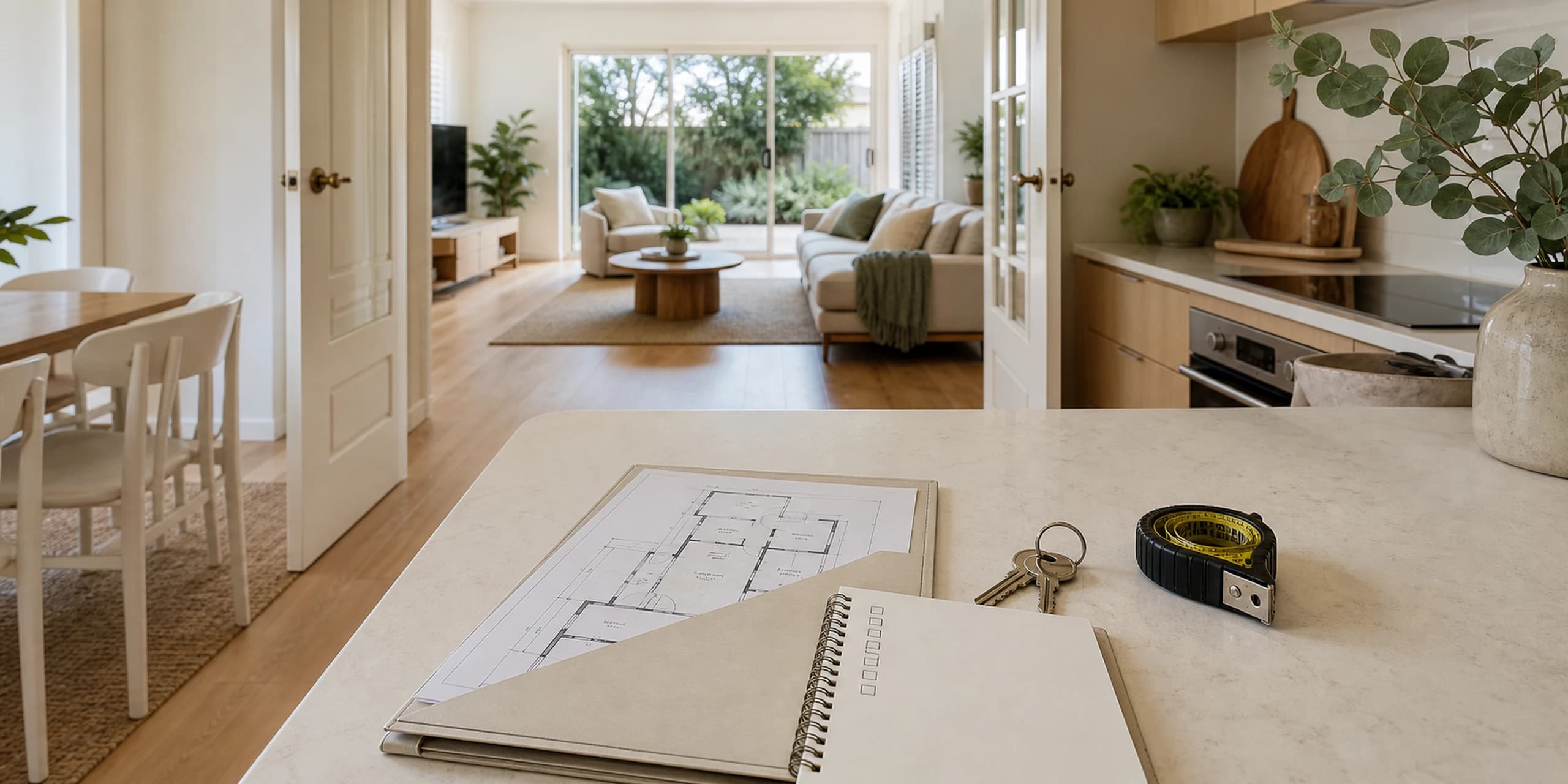
How to prepare for a property valuation: Australian checklist
A practical Australian checklist covering documents, access, presentation, renovations and what happens when a valuer inspects your property.

Pre-sale (pre-listing) property valuation: should you get one?
A pre-sale valuation gives sellers an independent market value before listing, to set a realistic price, negotiate with evidence and decide with confidence.
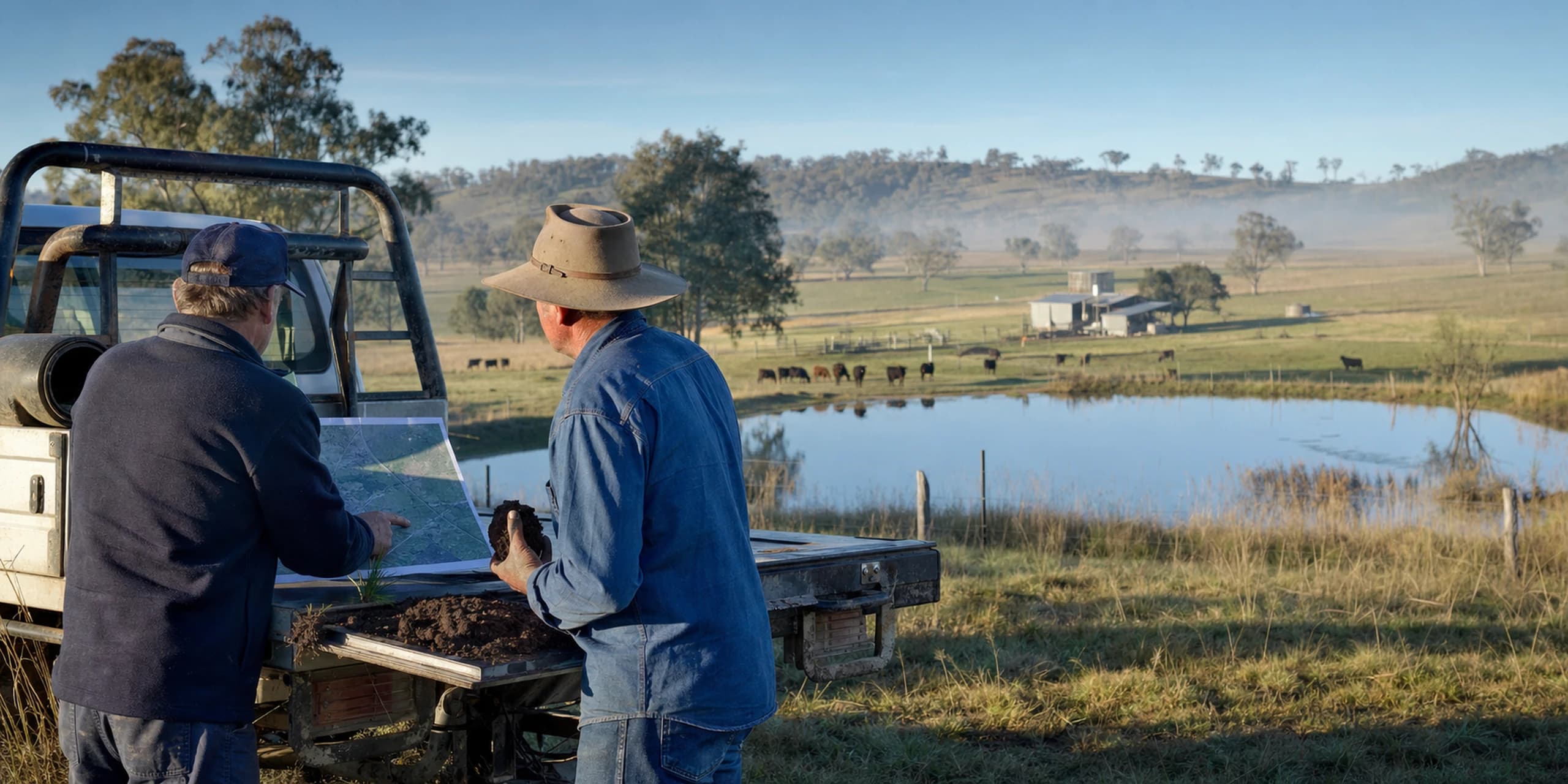
Rural and agricultural property valuation
How rural and agricultural property is valued: methods, soil, water rights, carrying capacity and improvements, and when you need a specialist valuer.
Need a vacant land valuation?
Valato prepares independent, evidence-based land valuations for sale, tax, estate and development purposes. Just enter the address.
Need a vacant land valuation?
Valato prepares independent, evidence-based land valuations for sale, tax, estate and development purposes. Just enter the address.